Pet parents are like mind readers. Communication with our furry friend may not involve words, but we learn to understand each other perfectly. It’s easy to tell when your pet is hungry, grouchy or poorly – but how do you know if they’re happy?
Since having a conversation with them isn’t technically an option (although some will say their pets are quite the talkers!), we need to rely on cues other than language to know how our pets feel. We can do this by paying close attention to things like their appearance and body language.
Reading the signs
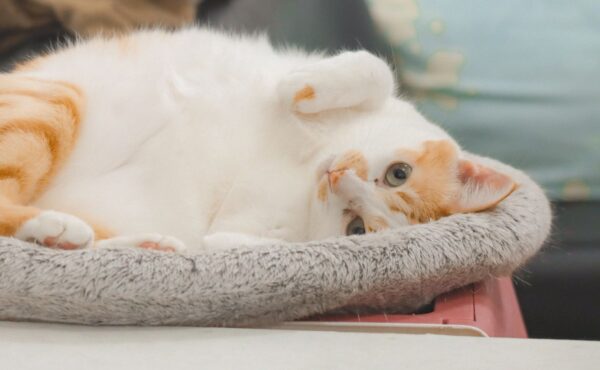
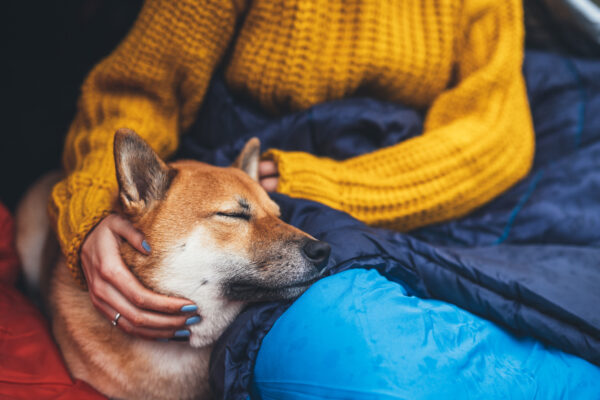
There’s so much you can learn by observing your pet. Look at their eyes, for instance: is their gaze soft and relaxed? Do they blink slowly back at you when you stare? Happy pets are visibly relaxed: their body shows no signs of tension, their ears are neutral and they’re receptive to what you do or say. A contented cat will hold her tail upright as she moves while a happy pooch may grace you with a full body wag!
Whereas dogs are usually social creatures, cats are often either friendly and easy-going or a little quieter. But personality aside, a happy pet will be thrilled to see you. You’ll notice this in the way they greet you at the door or try to make body contact by asking to be stroked, leaning into you or licking you. Those are all signs of affection.
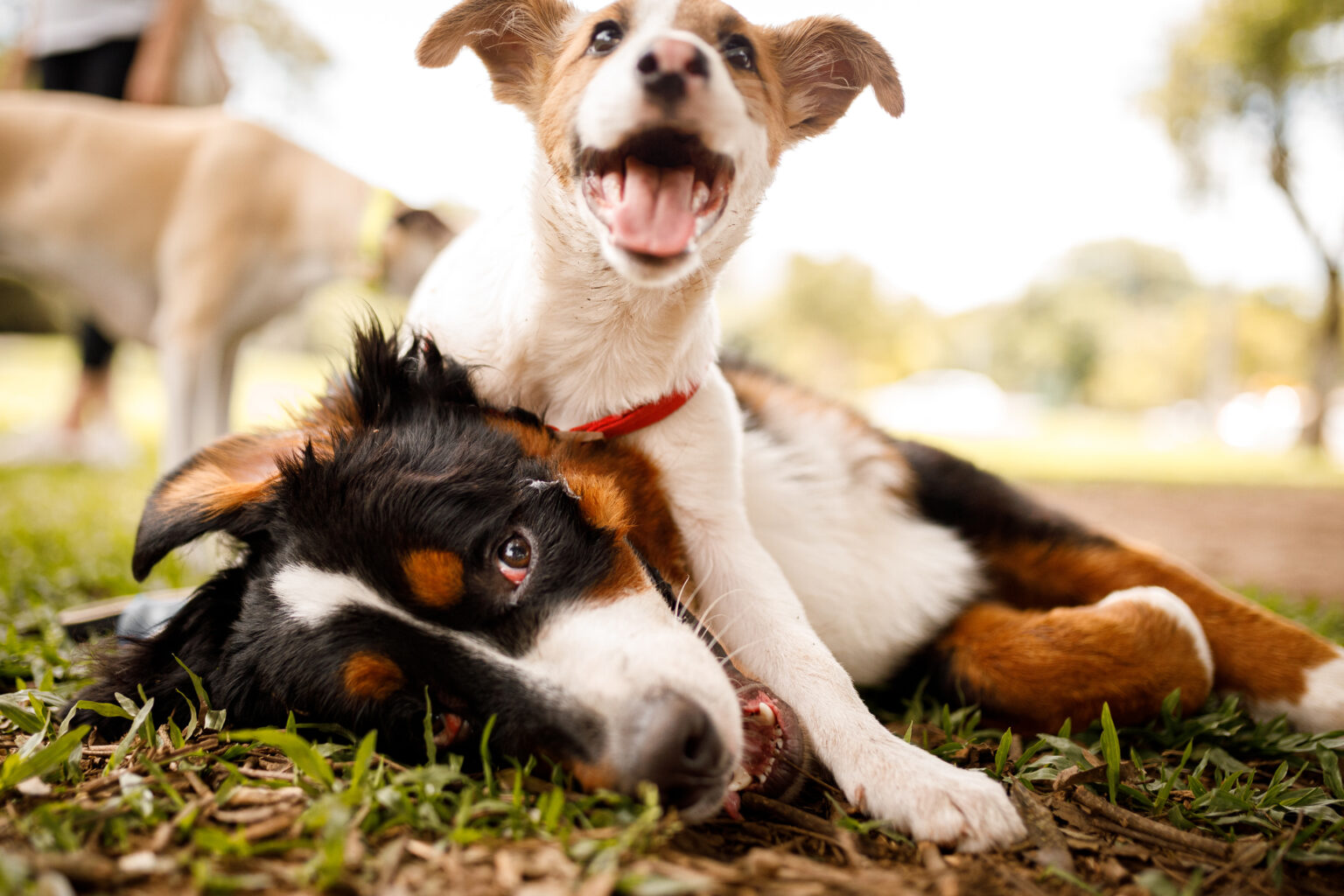
Another sign of happiness is some of the high-pitched noises our furry friends make from time to time. Think of the short, curious barks dogs make or those theatrical cat trills. Healthy animals are engaged and interested in the space around them. So, a shy kitty may enjoy watching all the action from her favourite spot, while a more outgoing pet will follow you around the house, hunt imaginary prey or even do a happy dance!
Running with the pack
Exercise and play are natural to all animals, so wanting to engage in physical activity is a clear sign of good spirits. A pet that suddenly loses interest in games and daily walks may be in pain, so if this happens, we recommend seeing your vet.
Other things to bear in mind are appetite and sleep. Happy pets enjoy food and are eager to get treats. They’re also great snoozers! Did you know adult cats and dogs sleep an average of 15 hours a day? But while eating and sleeping patterns can change as our furry companions age, again, any sudden shift could be a sign of illness.
More than skin-deep
The condition of your pet’s coat and skin is another great indicator of health. An animal that is fit and well looked-after will have a soft and glossy coat. Happy cats groom regularly and put a lot of heart into it, almost taking pride in this daily ritual.
On the other hand, a dull and greasy coat that is coarse to the touch could point to an underlying health problem.
Sometimes, a poor-looking coat can be a sign of nutritional deficiencies. You would be surprised by how many people notice an improvement in their pet’s coat after switching to a more wholesome diet. Regular brushing also helps maintain your pet’s coat in top condition as it stimulates blood flow and helps remove dead skin.
A helping hand
By now, we hope you feel more confident in recognising the traits of a satisfied pet. Like us, animals are not always basking in joy! So, they may be a little grumpy at times – and that’s normal. However, it’s their usual overall mood and behaviour that will tell you the most about them.
As pet parents, we’re responsible for providing the best life we can with a good diet, adequate exercise and as much play and love as time and energy allow. Get those basics right and your pet will be happy inside and out.