With colder temperatures starting to take hold, we need to be mindful of pets suffering from arthritis: an inflammatory condition that can affect one or more joints and is as uncomfortable for animals as it is for humans.
Wondering why cold weather makes joints more tender, stiff or painful? Well, it appears this is down to the changes in barometric pressure – making cold-weather season a time where that little extra care can give pets much-needed comfort.
Does joint pain only affect older pets?
While it’s most often older pets that suffer from arthritis, pets of any age can be prone to the condition. Larger breeds, overweight pets and working dogs are most likely to experience this. It’s also worth noting that arthritis is more common after an injury, such as a break or a sprain, surgery, or with genetic conditions like hip dysplasia.
Symptoms of joint pain
These are the signs your pet may be experiencing joint pain, stiffness or discomfort:
- Lagging on walks
- Sleeping more
- More irritable than usual
- Moving with a limp
- Difficulty when moving
- Reluctance to run and play, jump or take stairs
- Visible discomfort or pain – particularly in the mornings or after rest
If you suspect your pet has joint issues, we recommend arranging an appointment with your vet to get a thorough examination.
Available treatments
Once your pet has been diagnosed, treatments are available to manage arthritis pain and maintain a good quality of life. These range from anti-inflammatory medication to joint supplements, physiotherapy, hydrotherapy and heat therapy.
While this may sound a bit daunting, don’t worry: a qualified vet will help simplify things for you and recommend the right treatment for your pet.
How can pet owners help?
While the first course of action should be speaking to your vet so they can offer a suitable treatment, there are many other ways you can make your pet’s life more comfortable before or alongside treatment.
Choose appropriate bedding
Firstly, ensure your pet has soft and comfortable bedding, well away from cold draughts and hard surfaces. Add layers with one or several blankets to offer extra warmth and padding, and if you can, invest in a good-quality dog bed or cat bed. Orthopaedic, memory foam and elevated beds will help take pressure off your pet’s joints and limbs, moulding to your pet’s shape and supporting them.
Stay active
Gentle and regular exercise will strengthen muscles and encourage blood circulation to joints. Opt for frequent and short activities that your pet can handle, like playing and walking. Try to avoid or limit how often they jump and climb, especially if your pet is older.
Keep them warm
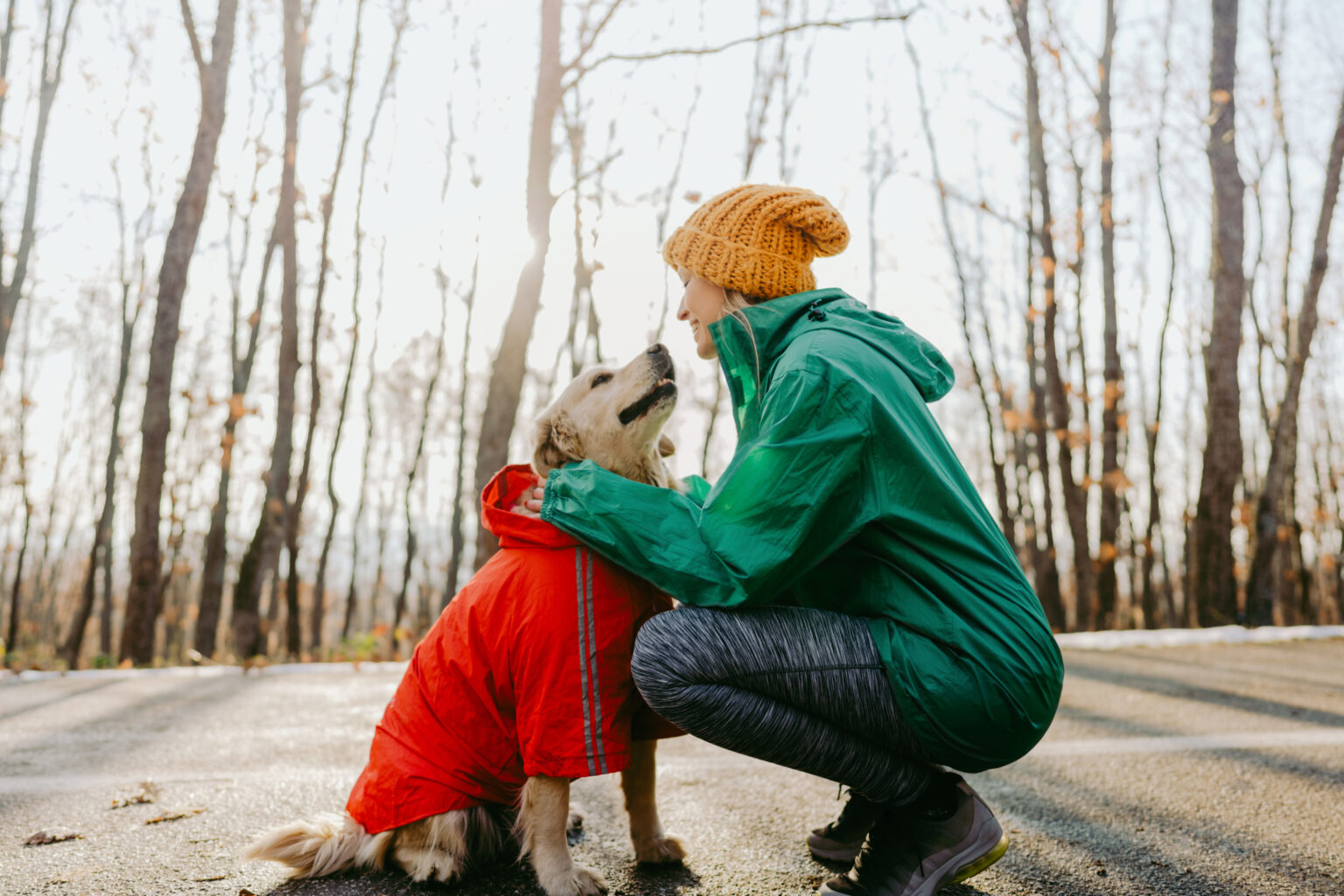
Ensure your dog is protected from cold and wet weather with a dog coat (ideally, one that’s both water-resistant and windproof). These are ideal for winter walks. Dog booties can also help protect their paws from the cold, although some dogs are not too fond of them.
Watch their weight
Keeping your pet a healthy size is important, as any extra pounds will add strain and cause additional joint discomfort. If they struggle with their weight, a specialist diet for weight management or joint health may help. Always consult with your vet before changing your pet’s diet.
Additional support
If your home has wooden floors or harder surfaces, consider carpets and mats to prevent slipping and discomfort when your pet is walking.
Support your pet further by giving them a daily joint supplement that targets areas of concern, such as Seraquin and YuMOVE. These can help soothe stiffness, promote mobility and assist their joint health in the longer term.
In conclusion
Sourcing the right treatment for your pet is essential, but the first step is preventative care. This is where us pet owners come in. A healthy diet, regular exercise and plenty of cuddles are a great addition to finding the right solution, and can go a long way in helping to keep your pet as happy and comfortable as can be.