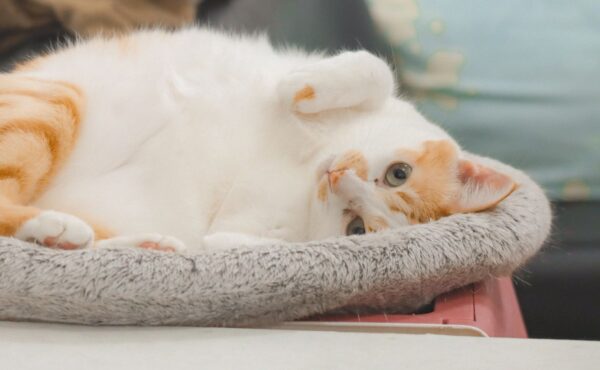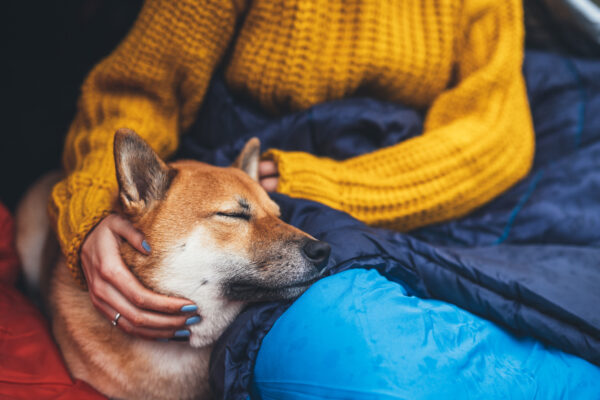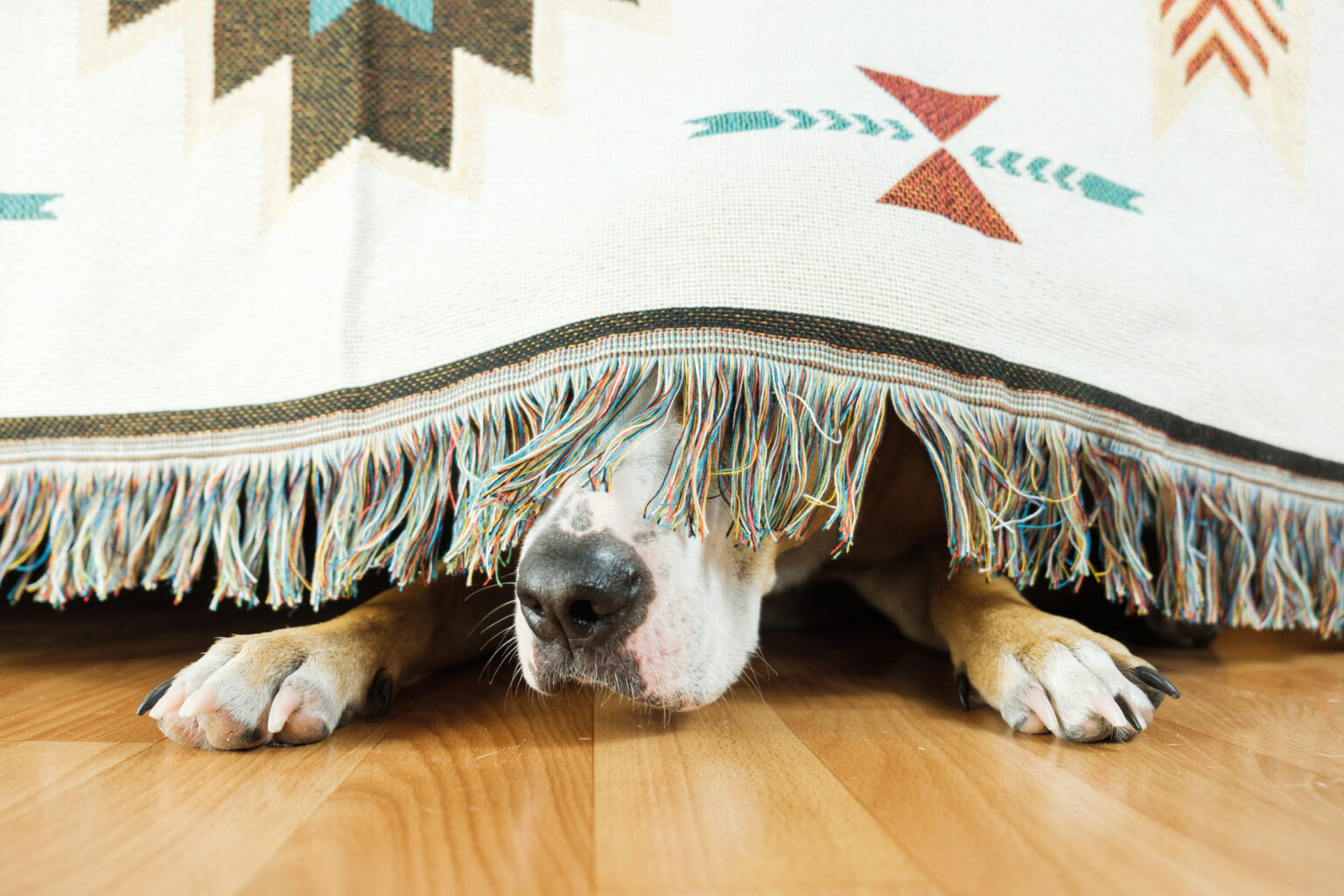
While Christmas is a time for joy, sometimes it’s easy to forget that our pets may not be enjoying the celebrations quite as much as we are. The overabundance of stimulation can leave them anxious, craving somewhere quiet or confused about what to do. Below are some tips to help them keep them comfortable and calm.
Signs of anxiety
The classic signs of anxiety and stress in pets are quite obvious to identify:
In dogs, you’ll notice:
- Tails between legs
- Panting
- Ears pinned back
- Standing close to doorways or trusted family members
- Growling
As for cats, the signs are usually:
- Dilated pupils
- Ears pinned back
- Tail twitching or waving, or not raised in greeting
- Running around the room or seeking an exit with their body low to the ground
- Hissing
Other signs your pet may be struggling include displacement behaviour and avoidance behaviour. Let’s look at what those mean.
Displacement behaviour
A way to explain displacement behaviour is this: it’s when your pet would rather be doing something else, like leaving the room, but is suppressing the urge. They are internally battling with two motives, and as a result, displaying small actions and quirks that seem out of context (a bit like humans scratching their heads when they are torn between two decisions!). Actions such as licking their chops when no food is present, sudden biting, nibbling or licking a body part, or yawning when they are not tired, are a few examples of this type of anxiety.
Avoidance behaviour
A little bit easier to understand than displacement behaviour, avoidance behaviour is exactly that: your pet is avoiding you. Cats in particular will simply walk or move away when they are unhappy. But if not given the opportunity to do so, like dogs, they will turn their heads away from you or look in another direction, hide behind objects, and try to move away. Simply put, they are trying to say ‘I am scared of this situation; please do not hurt me’.
In dogs, similar avoidance behaviour can be seen in actions such as barking whilst backing away and even rolling onto their backs.
How to help a stressed-out pet
Provide a safe space
When everything becomes unfamiliar for your pet, it’s important to establish a small sanctuary for them amid the chaos.
For example, setting your dog’s cage or bed away from where the party will be hosted (but still within eyesight), and covering it with familiar-smelling blankets and a few of their favourite toys will give them a corner of peace and quiet to retreat to. For cats, keep bedroom doors open so cats can wander freely, ensure their litter tray is away from noise and people, and make sure the cat flap is unobstructed.
Lock up the temptations
If your pet is exhibiting signs of displacement behaviour, and is known to do so in the past, it sometimes helps to be aware that they will express themselves this way, and take the precautions to prevent any harm. This can include making sure that bins are safely out of the way, food and plates are not teetering near the edges of tables, chocolates are out of reach, electric or glass Christmas tree decorations aren’t within paw’s reach on the lower branches of the Christmas tree, and consider the use of child gates to block access to certain rooms.
Exercise or play with your pet
Walking your dog or simply playing with your pets is a great form of stress relief. Bringing them with you if your family takes a Christmas Day walk will allow them to burn off some energy, but also bond with other family members (and isn’t the family dog the best member of the Christmas walk anyway?). If you have a party planned, taking them for a long walk beforehand will use up some of their energy, and if you have an indoor cat, a little playtime before the guests arrive can go a long way.
Consider a calming remedy
Pet-friendly calming solutions are designed to support pets during stressful times like fireworks, travel, or the bustle of Christmas. They’re gentle, safe, and can help take the edge off situations where you know your pet may be uncomfortable. Trusted brands like Adaptil (for dogs) and Feliway (for cats) offer pheromone-based plug-in diffusers that create a more soothing environment (we recommend introducing them a couple of weeks before the event), while tablets like Zylkene contain a natural milk protein proven to help cats and dogs feel calmer.
Leave them alone if they need space
This one especially applies to cats, but, just like humans, many animals prefer to be left alone for a bit when they are unhappy.
Cats in particular will simply remove themselves from a situation and find their safe space or comfy spot, remaining there, completely at ease with their own company. Forcing a cat to socialise when it doesn’t want to will make it deeply unhappy, so it’s best to remind children not to seek out the cat if it has retreated to its safe space.
Dogs, on the other hand, may need to be monitored to make sure they aren’t in danger of harming themselves when stressed. Still, it’s best to leave them alone when they are in their designated safe space, with familiar family members checking in regularly.
Please be sure to consult with your vet if you suspect your pet has anxiety and may need medication. While our articles are here to help, there’s nothing like the personalised advice from a qualified vet.