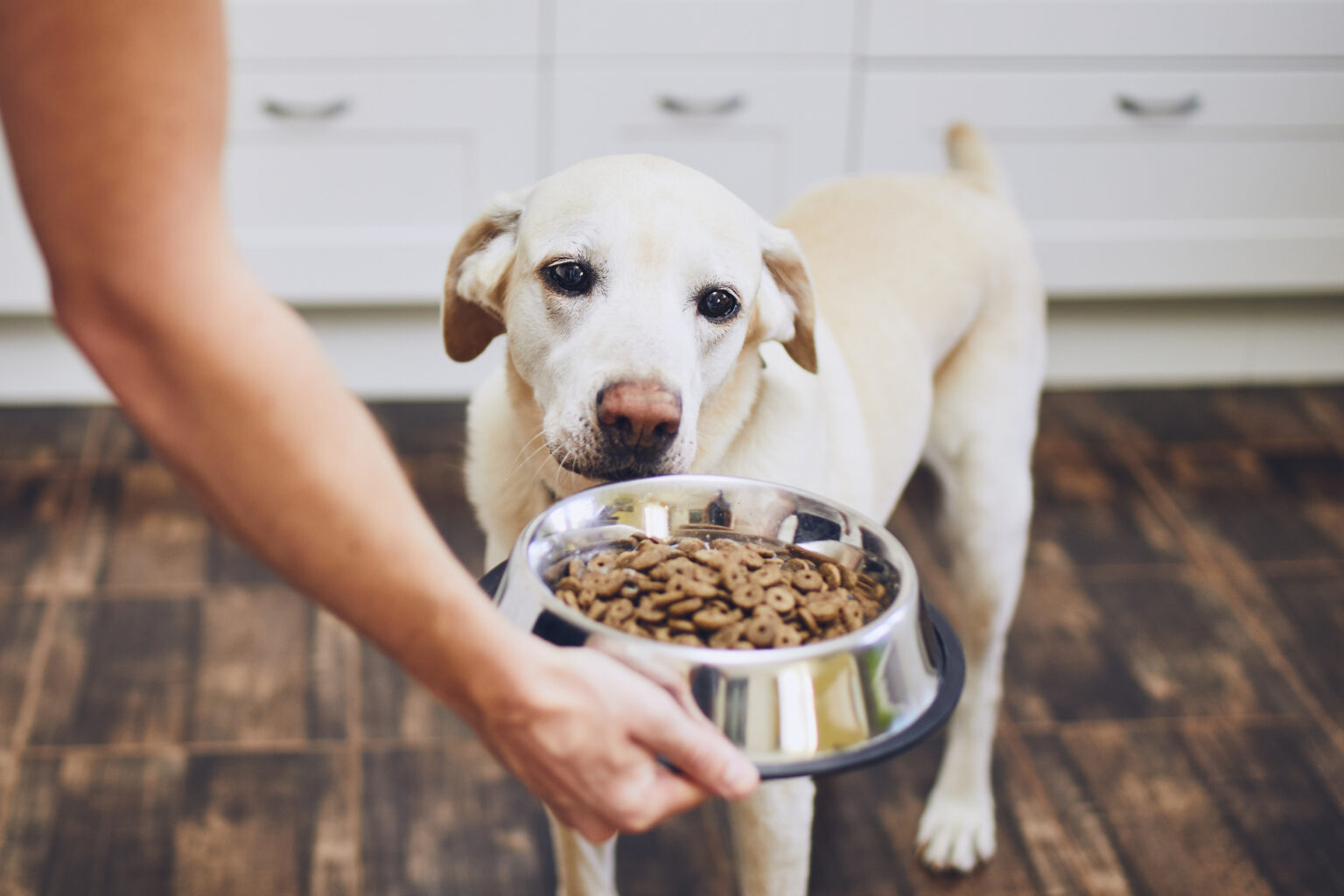
How to pick a dog food is one of the most common questions dog owners have, especially as their pets age. So we asked our resident vet about the why, what and when of switching your dog to a senior formula, including the difference between adult and senior dog food, so you can make a more informed decision about what goes into your dog’s bowl.
When are dogs considered senior?
The answer is different for every dog. In broad terms, large and giant-breed dogs such as the Great Dane or English Mastiff may be considered senior from around 5-8 years, while smaller breeds like the Yorkshire Terrier or Chihuahua may not reach their senior years until around 10 years or older.
Smaller dogs tend to live longer than larger dogs, so they generally reach their senior years later. But the breed, size and health of your dog all play a major role in how they age.
Should I switch my dog to a senior dog food?
If your dog is happy, healthy and at an appropriate weight, there is no need to switch to a senior dog food straight away. Every dog has individual needs, so this is always best discussed with your vet.
It also helps to remember that not all dog food is the same. There isn’t one standard nutritional profile for senior diets, so a vet who has a full picture of your dog’s breed, age, body condition and lifestyle – especially if they have a health condition – will be in a much better position to recommend one.
Routine vet check-ups are a great opportunity to check in on your dog’s health and ask questions about nutrition. As we’ve seen, the term ‘senior’ can mean different things for every dog, so having a veterinary professional to guide you is ideal.
What is the best senior dog food?
This comes down to individuality, but let’s look at what ‘senior dog food‘ means.
For context: as dogs age, their energy needs can change and many older dogs become less active and prone to weight gain. So, a good senior diet should provide high-quality, easily digestible protein to help maintain muscle, while providing an appropriate amount of calories. Dog food labelled as ‘complete’ is formulated to provide all the essential nutrients your dog needs when fed as directed.
Some senior dog foods may also contain ingredients such as fibre to support healthy digestion, omega-3 fatty acids to support skin, coat and joints, and antioxidants to support normal immune function.
Then there are foods that also adapt to dietary requirements, such as grain-free or hypoallergenic, as well as diets designed to help manage specific health conditions (known as ‘veterinary diets‘). It goes to show that some foods may be more suitable for your dog than others – and where the advice of a vet can make all the difference.
What senior dog food do you recommend?
If your dog has been doing well on their current food, your vet may recommend staying on the same brand but simply switching to the ‘senior’, ‘mature’ or age-appropriate formula.
Below is a variety of reputable options worth considering. If you like the sound of a particular choice, check with your vet whether they may be right for your furry friend.
Canine Choice Senior Light Dog Food – Lamb
- A complete senior diet formulated with 45% lamb, including fresh and dehydrated lamb, as a source of protein to help support muscle maintenance.
- Made with natural ingredients, including sweet potato, peas, apple pulp and carrot, alongside fibre sources and prebiotics, to support healthy digestion.
- With fish oil, providing omega-3 fatty acids, and other ingredients selected to support digestive and joint health.
- Contains L-carnitine, which plays a role in normal fat metabolism.
- As a ‘Light’ recipe, it’s particularly worth considering if your dog is prone to weight gain.
Lily’s Kitchen Adult 8+ Gluten-Free Dog Food – Salmon & Trout
- Suitable for adult dogs aged 8 years and over.
- Made with freshly prepared salmon, trout and turkey, providing sources of animal protein.
- Contains prebiotics and fibre sources such as psyllium to support healthy digestion.
- With glucosamine, chondroitin and other ingredients selected to support joint health.
- A gluten-free recipe with a range of botanical ingredients.
Hill’s Science Plan Medium Mature Adult 7+ Dry Dog food – Chicken
- Formulated for the nutritional needs of medium-breed dogs as they age.
- Contains a blend of ingredients designed to support energy, immunity and overall vitality.
- Provides controlled levels of minerals as part of a complete, balanced diet.
- Made with highly digestible ingredients and fibre to support healthy digestion.
Royal Canin Consult Mature Dog Food
- A complete dog food formulated for mature dogs and designed to support vitality, muscle maintenance, and healthy skin and coat.
- The Medium formula is designed for dogs weighing 11–25kg and over 7 years old; the Small Dog formula is for dogs under 10kg and over 8 years old.
- As part of Royal Canin’s Veterinary Health Nutrition range, it should be used on the recommendation of a veterinary professional following a senior health check.
How can I transition my dog to their new food?
It’s best to introduce a new food gradually, as this gives your dog’s digestive system time to adjust and helps reduce the chance of an upset stomach.
A simple approach is to mix around 25% new food with 75% of their current food for the first couple of days. Then move to a 50:50 mix for a few days, followed by 75% new food and 25% old food, before moving to 100% of the new food. Aim to make the switch over 7–10 days, but you can take longer if your dog has a sensitive stomach.
Should I give my senior dog supplements?
As the name suggests, complete dog foods are designed to give your dog all the nutrients, vitamins and minerals they need, so a healthy dog eating a complete diet shouldn’t normally need supplements just because they’re older.
However, supplements can have a role in helping to manage specific health concerns, such as arthritis or dental problems – both common issues in older dogs.
Ultimately, the best food or supplement will depend on your dog’s individual needs, which is why your vet is the best person to help you choose.