Living with a pet makes your life better: they bring joy and companionship. But with having a cat or dog comes huge responsibility. Wondering if you’ve been measuring up to the task? Here are our eight golden rules for being a top pet parent.
1. Commit to lifelong care
Many pet owners will say that having a pet is like having a child and, in many ways, this rings true. Be prepared to look after your buddy for as long as 15 to 20 years, during which you’ll have to clean their mess, give up your privacy and constantly succumb to their cuteness!
2. Ensure they are properly identified
While cats and dogs have an excellent sense of direction, it’s our duty, as responsible pet owners, to make sure we can be contacted should our pets become lost and found. Microchipping your dog or cat is a legal requirement in the UK for extra security. In addition, equipping them with a collar and ID tag will help others locate you very easily.
3. Spay and neuter
It’s heartbreaking to think of how many abandoned animals are put down every year due to neglect. Rescue centres are overrun with pets of all ages, so it’s important, as a society, that we help to reduce the number of potential abandoned animals by neutering and spaying where possible. Not only that, a recent study concluded that neutered dogs live longer, especially females. Neutered pets are also more likely to behave better and, especially male cats, not wander off from their territory and become injured or lost.
4. Feed them good-quality food
Adequate nutrition and fresh water will help your pet thrive. Find the type of food that’s right for your pet’s life stage and size. Besides, good quality food and the occasional treat are simply great sources of happiness!
5. Provide a safe, loving home
A pet should be part of the family. As such, they’ll need their own bed, toys and a loo (aka litter box) that is kept clean. Consider them when making plans too, whether that means bringing them along, arranging a sitter/walker or installing a pet door so they can freely come and go.
6. Actively care for their health
Like nutrition, we see preventative care as a stepping stone to a long, healthy life. Many diseases are easily preventable. And just by giving your pet regular exercise, vaccinations, a dental care regime and protection against parasites, you’ll be greatly contributing to their health. An annual health check with the vet is also a must.
7. Set a good example
Cleaning up after your dog is basic dog ownership etiquette (remember to grab your poo bags before you set off). This will significantly reduce the risk of spreading worm infections to pets and people, especially children.
Dog owners should also consider dog training and socialisation for the welfare of their pooch and the community they live in. Sign up to local classes to learn about the responsibilities of dog ownership and promoting the benefits that dogs can bring to people’s lives. Don’t know where to start? Find a Kennel Club approved organisation here.
8. Make time for them
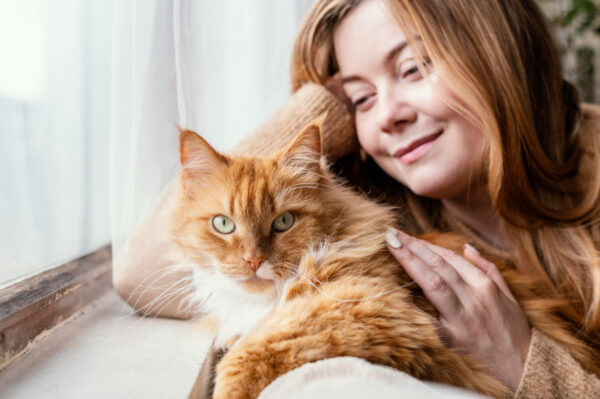
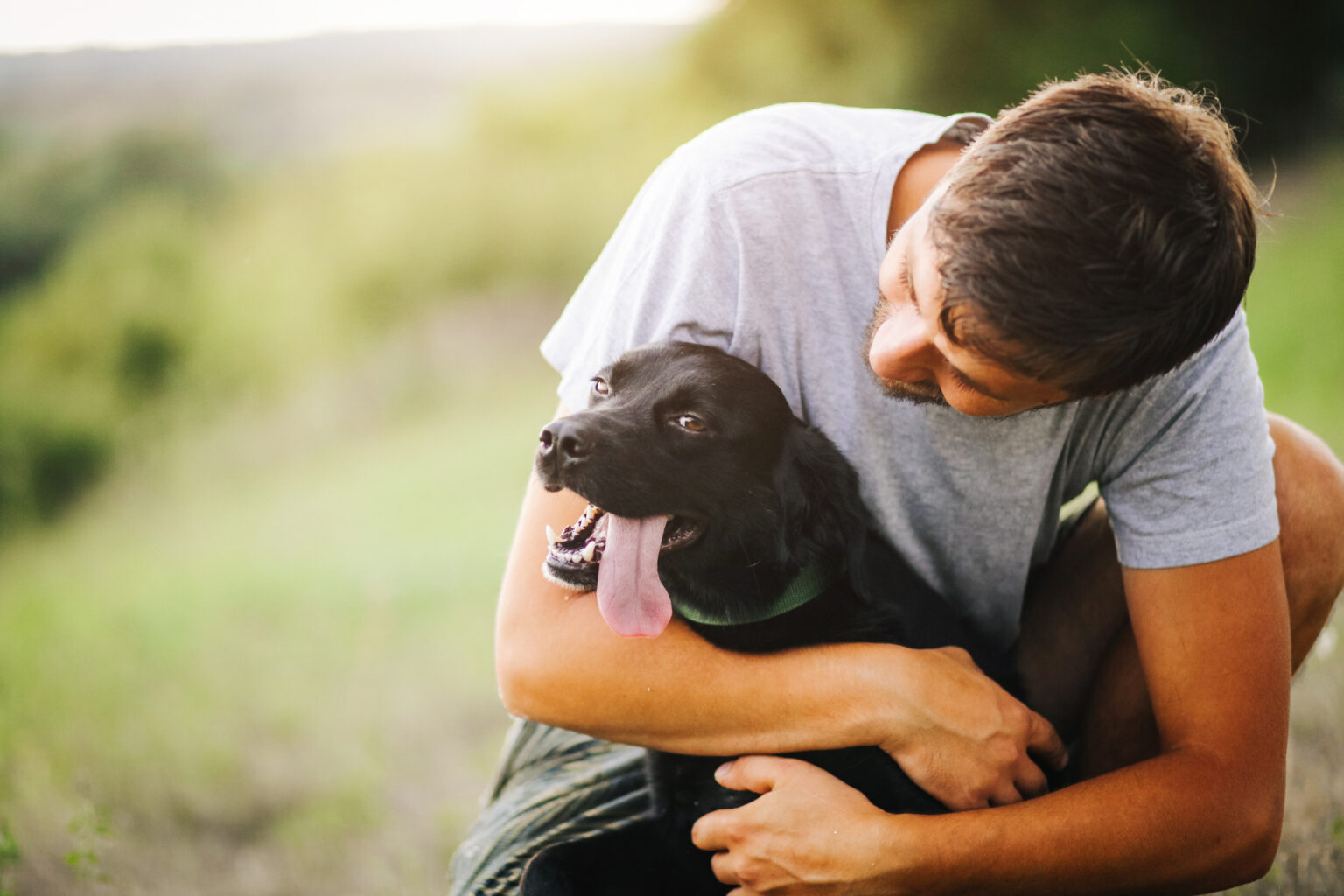
There are few things in the world our pet would rather do than be with us. And with mental and emotional health counting as much as physical wellbeing, time spent playing with them, grooming them or cuddling them is always time well spent.