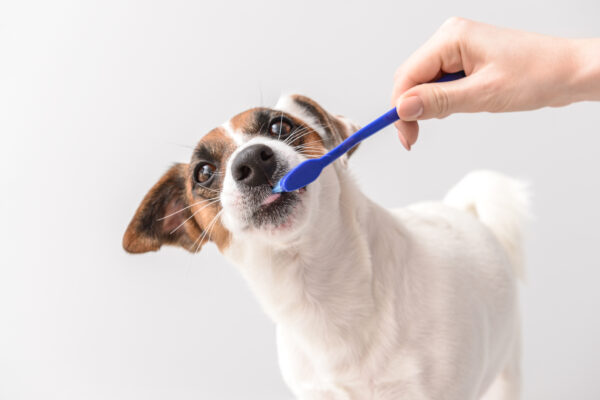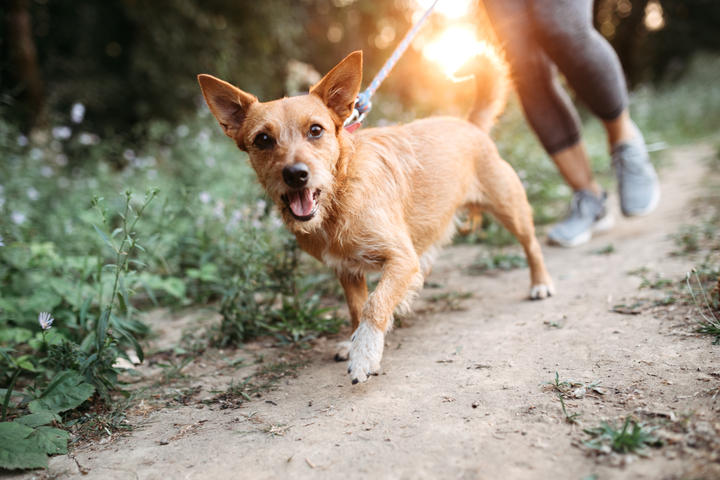
The clocks change this weekend, meaning lighter evenings are finally back on the cards. Milder temperatures make it a great time to review your dog walking routine as well as their parasite plan, so here are some pointers on spring dog-walking essentials and how to get the most out of your daily walks.
Getting the most out of dog walks
Being outside in the fresh air is an instant mood booster, even more so when the sun is shining. As well as being a great way for humans to stay fit, regular dog walks are also a great opportunity to exercise your pooch. Not only do they lower the risk of weight gain, diabetes, and osteoarthritis, they are also beneficial for your dog’s mental health and overall mood.
1. Get organised
Being prepared will help you get the most out of your walk, whether that’s finding a comfortable dog collar, a secure dog lead or fitting your dog with an ID tag for extra security. When it comes to leads, it’s often personal preference. You can pick a flexible or retractable lead that extends, or if your dog needs a little more guidance, a harness will give you more control.
If it’s been a while and your dog isn’t as fussed about long walks as you are, be ready with some dog treats, rewarding them as they go and using positive reinforcement. Last but not least, poo bags – a non-negotiable when heading out on a dog walk.
2. Start slow
If your walks have been cut short over the last few months because of the darker, colder mornings and evenings, your dog may have lost the knack for long strolls. To build up their endurance, increase the pace and distance gradually, closely monitoring them before and after they’ve been out to see how they respond. Making sure they’re comfortable is important, so keep an eye out for signs of tiredness or stiffness.
3. Offer stimulation
After a cold, wet winter, longer walks can pose a real challenge at first. If your pooch seems hesitant, try some throw toys or a ball to make the prospect of time outside more stimulating and fun.
If, on the other hand, your dog has missed longer stretches of outdoor activity and is full of energy, why not take them on a run with you? Start slowly and build up gradually, making sure your dog isn’t struggling along the way. And if you’re going a little further than usual – remember to bring water for them, as well as a congratulatory treat for their hard work.
4. Protect your dog from parasites
Fleas are most active during the spring and summer, as warm, humid weather offers the perfect conditions for them to reproduce. Look for products that are fast, effective and convenient, such as Frontline Plus – a vet-recommended spot-on treatment that helps protect your dog against fleas and ticks. As well as killing fleas, it also prevents flea eggs from hatching thanks to its IGR (insect growth regulator) technology. Used regularly, it helps keep infestations under control.
If your dog already has fleas, a fast-acting treatment such as Capstar tablets will start killing adult fleas in as little as 15 minutes, but it doesn’t provide long-lasting protection, so it’s often used alongside longer-term prevention like a Seresto collar, an alternative to monthly spot-on treatments. This helps protect dogs against fleas and ticks for up to 7–8 months.
Lastly, be sure to check your pet for ticks regularly, especially after walks in long grass or woodland, using a tick remover when needed.
Pet care advice
Do you need some pointers on the best treatment for your pet? Our Animal Medicine Advisors are here to help with free, friendly advice. Contact us for personalised product recommendations, or if you have questions about your pet’s health. We’re always happy to help.