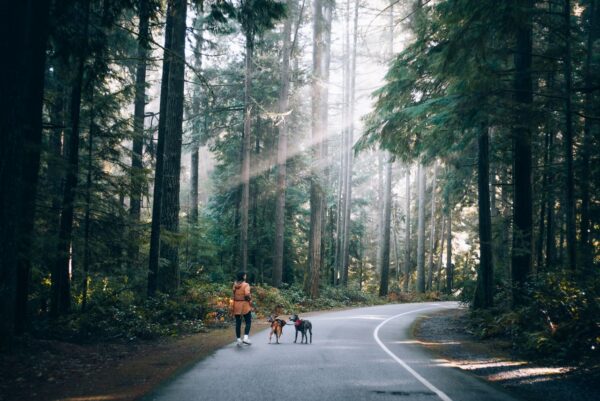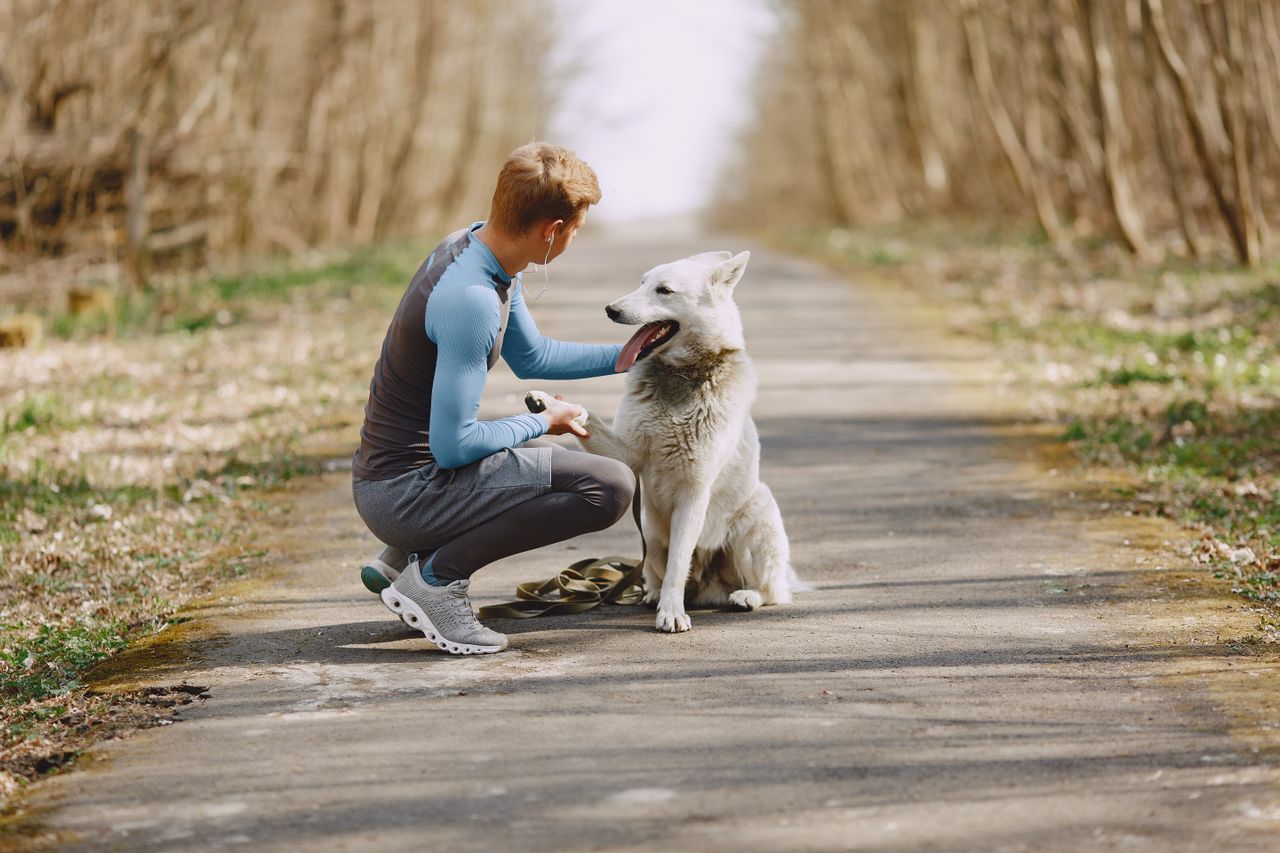
Whether you’re a budding jogger or have several marathons under your belt, having a canine running partner can be a fun, rewarding experience. Curious to give it a try? Here’s how to train your dog to run with you in a way that is both safe and enjoyable.
Dogs can make the perfect running companions: they’re enthusiastic, highly motivated and always eager to spend time with you. But before you set out for your run, you’ll need to make sure your dog is fit enough for the challenge.
Is my dog a good running companion?
Healthy, fully grown dogs with good stamina can make great running partners. Breeds such as Labradors, Golden Retrievers, Jack Russell Terriers, Beagles and German Shepherds are amongst the best dog breeds for running if they’re healthy, fit and enjoy running.
On the other hand, puppies, brachycephalic breeds (those with short, flat faces), senior dogs or dogs with existing health conditions can be more vulnerable to injuries, breathing issues or overheating. Dogs such as Pugs, Bulldogs and Dachshunds may be better suited to walks, depending on their individual health and build. And Basset Hounds, with their shorter legs and heavier build, may also be less suited to sustained running.
Lastly, dogs prone to joint issues may also be more comfortable with a leisurely walk than a run. This can include some large and giant breeds, such as St Bernards and Great Danes, although the individual health of your dog will matter more than breed alone.
Remember safety comes first, so if you aren’t sure whether your dog is fit enough to go for a run, check with your vet in advance.
What equipment do I need?
While running is a fairly simple activity, having the right gear will help keep your dog safe and comfortable.
A hands-free lead or a training lead can come in very handy, since you’ll be able to attach it to a running belt or wear it round your waist – options that can help keep your dog close to you while giving you both freedom of movement.
When running with a dog, a harness is usually preferable to a collar, especially at first, when your dog may stop abruptly or pull. We find harnesses with a back attachment particularly useful, as they can help keep the lead away from your dog’s face. A dog harness must fit well and not restrict your dog’s movement.
A travel water bowl is essential, as it will help keep your dog hydrated. Our canine friends can overheat quickly, so it’s important to offer regular water breaks.
Poo bags and dog treats are two other essentials to bring with you: one for toilet needs, the other as a reward.
Lastly, while optional, reflective accessories or a clip-on light are a useful additions if you’d like to be more visible in low light.
That’s it, you’re set!
How can I get started?
Start slowly. A warm-up session in the form of a short walk before you start running is a great way to ease into the activity and give your dog a chance to go to the toilet.
Like anyone new to a fitness programme, your dog won’t be able to tackle long distances from the get-go. So, once you start running, go at a pace that feels comfortable, beginning with short bursts of gentle jogging mixed with walking. Keep an eye on your dog’s responses, both during and after the run. Combining intervals of running and walking can keep things varied and light, especially at first, when you’re building up fitness and stamina.
As your dog gets fitter, you can gradually increase the length and distance of your running sessions. This will be highly individual. Above all, keep it enjoyable. If your dog hesitates, struggles to keep up or shows signs of tiredness, stop and switch to a normal walk or head home. Never force them to continue.
It’s also best to avoid running straight after a meal. Give your dog time to digest their food before heading out.
The power of commands
Time outdoors with your dog has lots of mental and physical benefits, from enjoying the fresh air and clearing your mind to getting some exercise. Your dog may also get distracted by flying balls, squirrels or other dogs. If this happens too often, teaching them the ‘Leave it’ command can help redirect their attention away from distractions.
Other commands you’ll probably find useful are ‘Let’s go’ and ‘Stop’, so your dog knows what to expect when you begin or finish running. You can start practising these commands at home.
Extra safety tips
Choose your running surface carefully
Grass or a dirt trail that isn’t too uneven or rocky may be gentler on your dog’s joints and paw pads than hard pavement. Also avoid hot tarmac, and check your dog’s paws after every run to ensure they’re free of cuts, grazes or other injuries.
Check the weather forecast
Very hot, humid or extremely cold conditions can make running uncomfortable or unsafe for your dog, so save runs for days when the weather is manageable.
Look out for warning signs
If your dog is panting excessively, struggling to breathe, or showing other signs of overheating, stop exercising and move them somewhere cool. Pour cool water (not ice cold) over their body, avoiding the head, and contact your vet urgently. Offer them water to drink if they’re alert enough.
Keep regular walks in your routine
Running should be an addition rather than a substitute for daily walks. While both are beneficial to your dog, standard walks give them a chance to take things slowly, sniff around and explore at their own pace.
Find a resting spot after each run
This is the perfect moment to cool down, take stock and bask in that sense of shared victory. Reward your pooch with praise and a treat they love – you’ve done it!