Cats’ nutritional needs can vary as they get on in years. And whilst you should always consult your vet to determine the best diet to suit your cat, our answers to these 6 common questions will equip you with the knowledge to better understand your cat as she ages.
What are the nutritional requirements of my senior cat?
Unlike dogs, whose requirements vary, cats require the same amount of energy throughout their adult life. Specifically:
- Cats need a much higher amount of protein than many other animals.
- Senior cats can find it hard to digest and absorb fats, so they will require fats that are easier for their bodies to process.
It’s important to monitor the weight and condition of your cat closely, particularly as they age, and adjust their diet, following the recommendations of your vet. Older cats can either have problems with obesity or sometimes become very thin, with both extremes possibly indicating underlying conditions which you will want to investigate with your vet.
Healthy senior cat food should include high-quality protein and fats, digestible carbohydrates, vitamins, minerals, and Omega-3 fatty acids. Many senior cat foods are also low in phosphorous, as many older cats are at risk of kidney disease, and excess phosphorus can add extra strain to these organs.
At what age does my cat become senior?
It’s best to start feeding your cat senior food over the age of 7, as this is when their metabolism will start to slow down and they might become less active. It’s also when age-related diseases like chronic kidney disease can begin to appear. This is why senior diets typically contain lower phosphorus levels and more antioxidants.
Does my senior cat have special dietary needs?
There are some diseases which may benefit from dietary changes, including:
- Cats with colitis, constipation, or anal gland disease often benefit from diets with increased dietary fibre.
- Cats with diabetes may benefit from a diet high in fat, protein and fibre and low in quick-release carbohydrates.
- Cats with inflammatory bowel disease (IBD) and colitis will benefit from diets with highly digestible sources of protein, fat, and carbohydrates.
- Cats with heart disease may require a special diet with lower sodium and a higher proportion of taurine.
- Cats with chronic kidney failure should be on diets with highly digestible protein. This means there are fewer products to break down that the kidneys are responsible for eliminating in the urine.
- Cats with dental or oral diseases may need to switch to a dental veterinary diet or canned food.
- Cats with cancer have special dietary needs; we recommend increasing Omega-3 fatty acids in their diet.
If your cat has been diagnosed with a medical condition, consult with your vet regarding a suitable diet.
My senior cat won’t eat. What should I do?
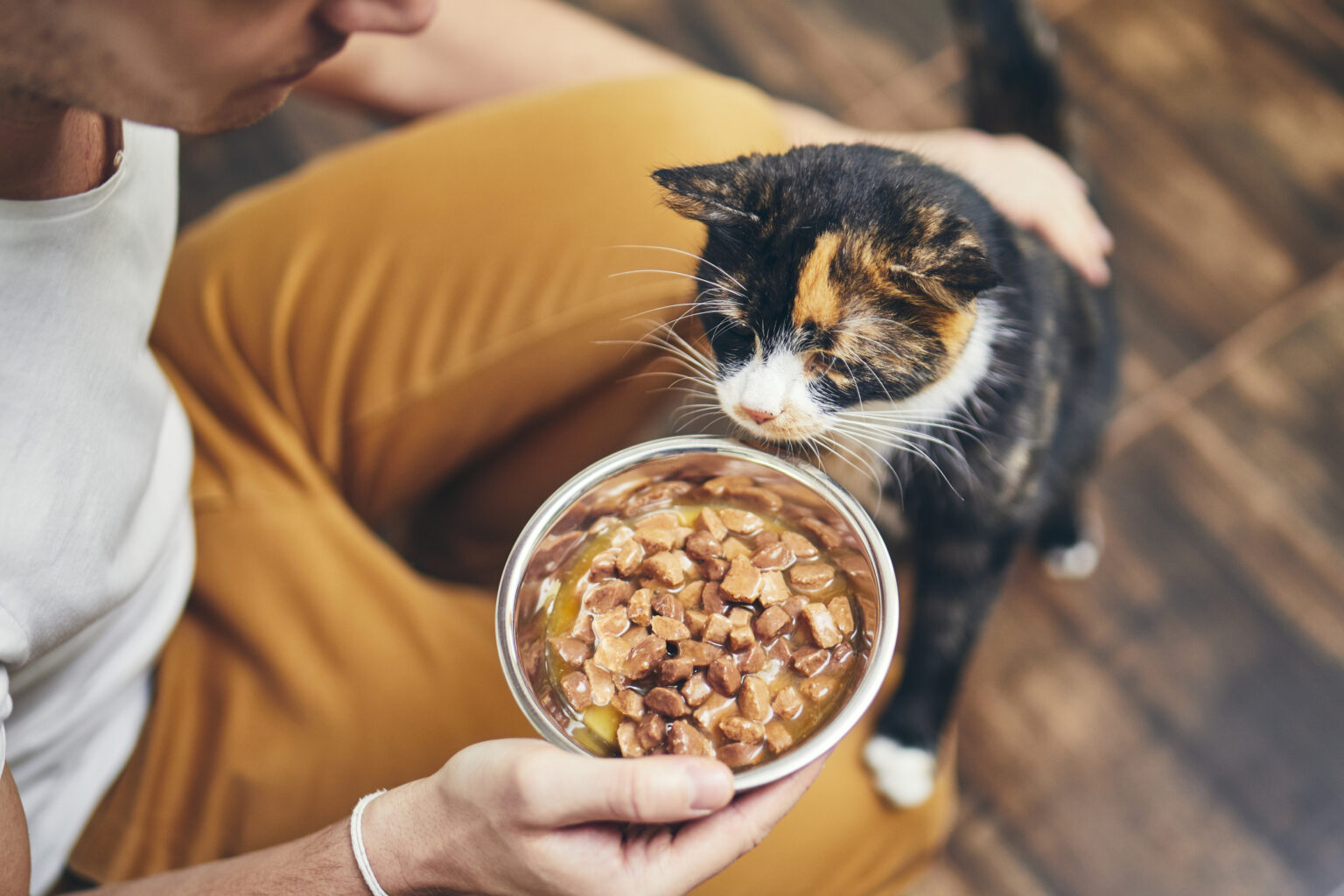
See your vet first to rule out any underlying conditions that could be causing the lack of appetite. Make sure her food is served in a clean bowl, and it may be worth investing in a shallower dish as some cats don’t like to eat from containers where their whiskers touch the side of the bowl.
Heating canned cat food or moistened kibble to a warm temperature will make the food taste better and smell more strongly and encourage the cat to eat. Water from canned (unsalted) tuna can be added for the same reason. If your cat is eating dry food, they may benefit from switching to canned food making it easier for them to eat.
Your vet might advise you to switch to a special prescription diet, which will probably be high calorie and full of nutrients to enable smaller quantities to be fed. Also, increasing the number of times the cat food is offered (in small quantities) can encourage your cat’s willingness to eat and therefore, increase his calorie intake.
What brand of senior cat food would you recommend?
Below are also some of the senior cat foods available from Pet Supermarket that we recommend.
Feline Choice Grain-Free Senior Dry Cat Food – Chicken
- A complete dry cat food that is grain-free and very high in protein (75%), for better digestibility and nutrient absorption.
- With calories adapted to the slower metabolism of senior cats.
- Contains prebiotics and Omega-3s for a healthy gut and immune function.
- A natural vet recipe with ingredients selected for their nutritional value and health benefits, such as pomegranate, cranberry, sweet potato, peas, spearmint and fennel.
James Wellbeloved Senior Dry Cat Food – Turkey
- A complete dry cat food formulated for senior cats
- Contains all essential vitamins and minerals
- Turkey is the only protein source, and less likely to trigger food intolerance
- Hypoallergenic recipe with no artificial colours, flavours, or preservatives
- Yucca extract aids good bacteria in your cat’s system
- With glucosamine and chondroitin to support joint health and mobility
Hill’s Science Plan Mature Adult 7+ Dry Cat Food – Chicken
- With nutrients selected to help support energy and activity levels
- Highly digestible ingredients for optimal nutrient absorption
- Sustains healthy vital organs with a balanced mineral blend
Royal Canin Ageing range
- A range of dry and wet food designed for older cats
- Offers formulas tailored to cats aged 11+ or 15+
- Highly palatable and nutrient dense to support a health weight and appetite
- With vitamins, minerals, antioxidants and Omega-3 fatty acids to promote healthy mobility, digestion and organ function
- Available in a variety of textures, from dry kibble to soft mousses or chunks in gravy
James Wellbeloved Grain-Free Senior Cat Food Pouches
- A complete, natural wet food tailored to the needs of senior cats
- Turkey or chicken is the only protein source, reducing the risk of food intolerance
- With added Omega-3s and glucosamine for joint health
- Hypoallergenic recipe with no artificial colours, flavours, or preservatives
- With added taurine for healthy organ and immune function
Should I give my senior cat supplements?
Complete senior cat food is designed to provide your cat with all the nutrients they need, in which case supplements shouldn’t be needed. However, some older animals start to absorb fewer nutrients through the intestinal tract, or lose more through the kidneys.
Some senior cats also eat less food, such as those with oral disease, and may not be getting their daily needs of vitamins and minerals. So, in short, the answer to whether you cat may need supplements is complex. This is why we recommend consulting your vet to determine which (if any) may be beneficial.