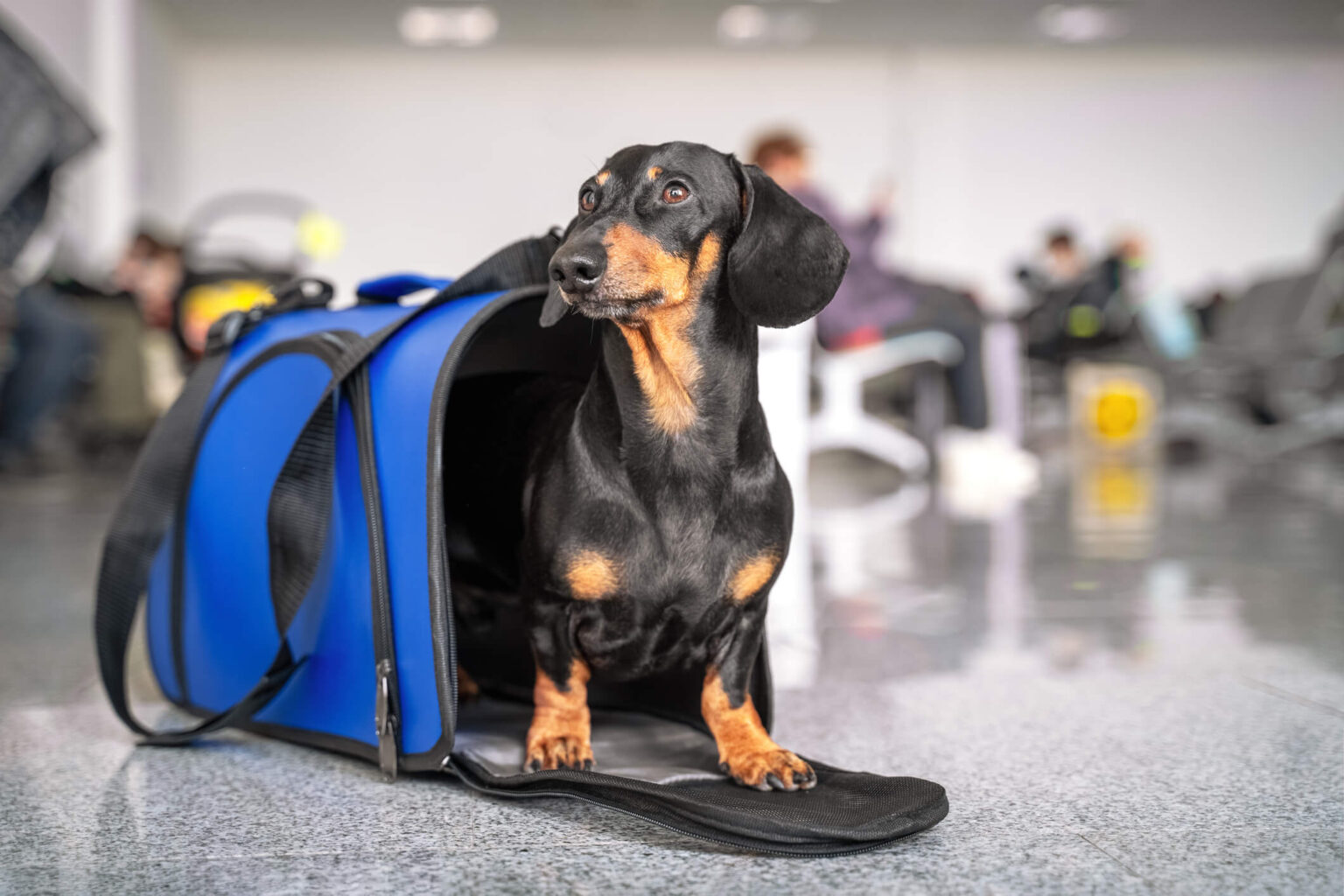
Planning to travel with your pet? Not sure if you need a new pet passport now that we’ve left the EU? Our resident vet takes you through everything you need to know, and what you need to do, to take your dog or cat on holiday with you.
Always check on the gov.uk website before you travel. It has the latest advice relating to pet travel and check the rules of the country you’re travelling to for any additional restrictions or requirements.
Travelling with your pet to an EU country
Right, first things first: pet passports issued in Great Britain are no longer used for travel in the EU and Northern Ireland. However, if their passport was issued in the EU or Northern Ireland, then you can still use that.
Dogs (including assistance dogs) or cats with GB-issued pet passports will need the following:
- A microchip.
- Animal health certificate.
- Valid rabies vaccination.
- For dogs only: tapeworm treatment if travelling directly to Finland, Ireland, Northern Ireland, Norway or Malta.
No more than five pets can travel with you in this region unless the trip is for competing in, or training for, a competition, show or sports.
Animal health certificates
You’ll need to take your pet to an official veterinarian (also known as an OV, that’s a vet who’s allowed to issue health certificates) no more than ten days before your trip to get their animal health certificate. You’ll also need to bring along proof of your pet’s microchip (showing the date) and history of vaccinations. If your vet isn’t an OV, they’ll be able to point you in the right direction.
Once your vet’s issued the certificate, it will be valid for:
- Ten days for entry into the EU/Northern Ireland.
- Four months for travelling within the EU from your original EU destination, and returning to Great Britain.
Planning more holidays in the EU or Northern Ireland? Make sure to get a new animal health certificate for each trip.
Vaccinations
It goes without saying that your pet’s vaccinations should be up-to-date prior to any travel – it’s important to note that your pet has to be at least 12 weeks old to be vaccinated against rabies (bring along proof of their date of birth). If your pet doesn’t have a microchip, then this needs to be done either before, or at the same time, as their rabies vaccination. If they’re not microchipped at the time of the vaccination, then you’ll have to start the whole process again.
Once the rabies vaccination has been administered, you’ll have to wait 21 days after the primary vaccination before you can travel. Your vet will note down the dates of vaccination, date it’s valid until, and your pet’s microchip number on their certificate.
If you keep up with the rabies vaccination, then you won’t have to redo the shots for repeat trips into the EU or Northern Ireland.
Travelling with your pet to a non-EU country
For non-EU travel abroad, you’ll need to get what’s known as an Export Health Certificate (EHC) and complete an Export Application form (EXA).
An EHC makes sure your pet meets the conditions for entry into the country you want to travel to. You’ll have to nominate an official vet who will be sent the EHC – they’ll then check that your pet is healthy and meets the relevant country’s requirements.
EHCs and EXAs vary by country, but each one will walk you through the relevant application process.
Seems like too much of a faff? Don’t blame you – check out our guide to dog-friendly holidays in the UK.
Our articles are not a replacement for face-to-face vet advice. It’s important to consult with your vet on a regular basis to raise any pet concerns that you may have.