As our furry friends enter their senior years, you may notice changes in their energy levels, behaviour and habits. And while genetics, lifestyle and nutrition can all play a role in how your pet ages, most cats and dogs are considered senior from about the age of seven.
But seeing your pet get older needn’t be sad or scary. As pet food and veterinary medicine evolve – and information becomes more readily available than ever – many elderly pets can enjoy long, happy lives. Below are some areas to keep an eye on so you can support your pet through their golden years.
Vet visits
Your vet will be able to recommend how often you should visit, but generally speaking, once or twice a year is usually enough. However, if you notice any drastic changes in behaviour such as loss of appetite, difficulty walking, weight loss or excessive thirst, always book an appointment. It’s always better to be safe.
As pets age, subtle changes can sometimes signal underlying issues. Regular vet visits provide an opportunity to monitor their health, discuss any concerns you may have and make adjustments to their routine when needed.
Diet
Choose a high-quality food that is labelled as ‘senior’ or ‘mature’, such as Canine Choice Senior dog food and Feline Choice Mature cat food, which are natural, vet-approved recipes adapted to the needs of older pets.
Senior formulas have been created with the nutritional needs of older dogs and cats in mind, so they tend to have fewer calories and include ingredients high in fibre, antioxidants and omega-3 fatty acids.
If you’re considering switching your pet to a senior diet, speak to your vet first to ensure you’re choosing the most suitable option for them.
Oral health
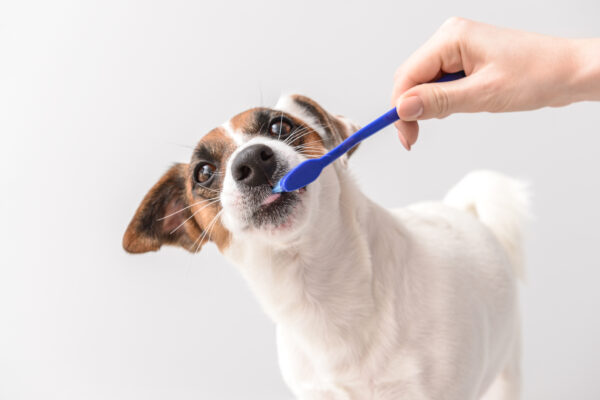
A simple dental care routine can prevent plaque formation, gum disease and loss of teeth, all common in older cats and dogs.
Some people may find the idea of brushing their pet’s teeth silly, but getting them used to this habit from a young age can be hugely beneficial. Chew toys and dental treats can also help support oral health and keep teeth and gums healthy, but they should be viewed as additional support rather than a substitute for brushing.
Mobility
As your pet’s metabolism slows down, they will naturally become less active. While it’s important to be mindful of their limitations, finding an exercise routine that works for your pet can help support muscle, joint health and overall wellbeing.
For many senior pets, two or three sessions of play or exercise lasting around 20 minutes each day can help keep them physically and mentally stimulated. However, the ideal amount of exercise will vary depending on your pet’s age, breed and health condition.
Your home
Are there any other ways you can make your furry pal’s life easier? It may be as simple as finding a more comfortable bed (memory foam and orthopaedic options are particularly popular for older pets), placing rugs on hard or slippery floors, or adding steps or a ramp to help them access favourite spots such as the sofa.
A raised food bowl can also help reduce strain on your cat or dog’s neck and spine, as they won’t have to bend down as far to reach their food.
A friendship like no other
There’s nothing quite like the bond you build with an older pet. You’ve known each other for years and shared countless happy moments together.
With the right nutrition, regular vet check-ups, and a few adjustments to their daily routine, your senior cat or dog can continue to enjoy a fulfilling life. Here’s to many more years of good health, happy memories and an everlasting friendship.