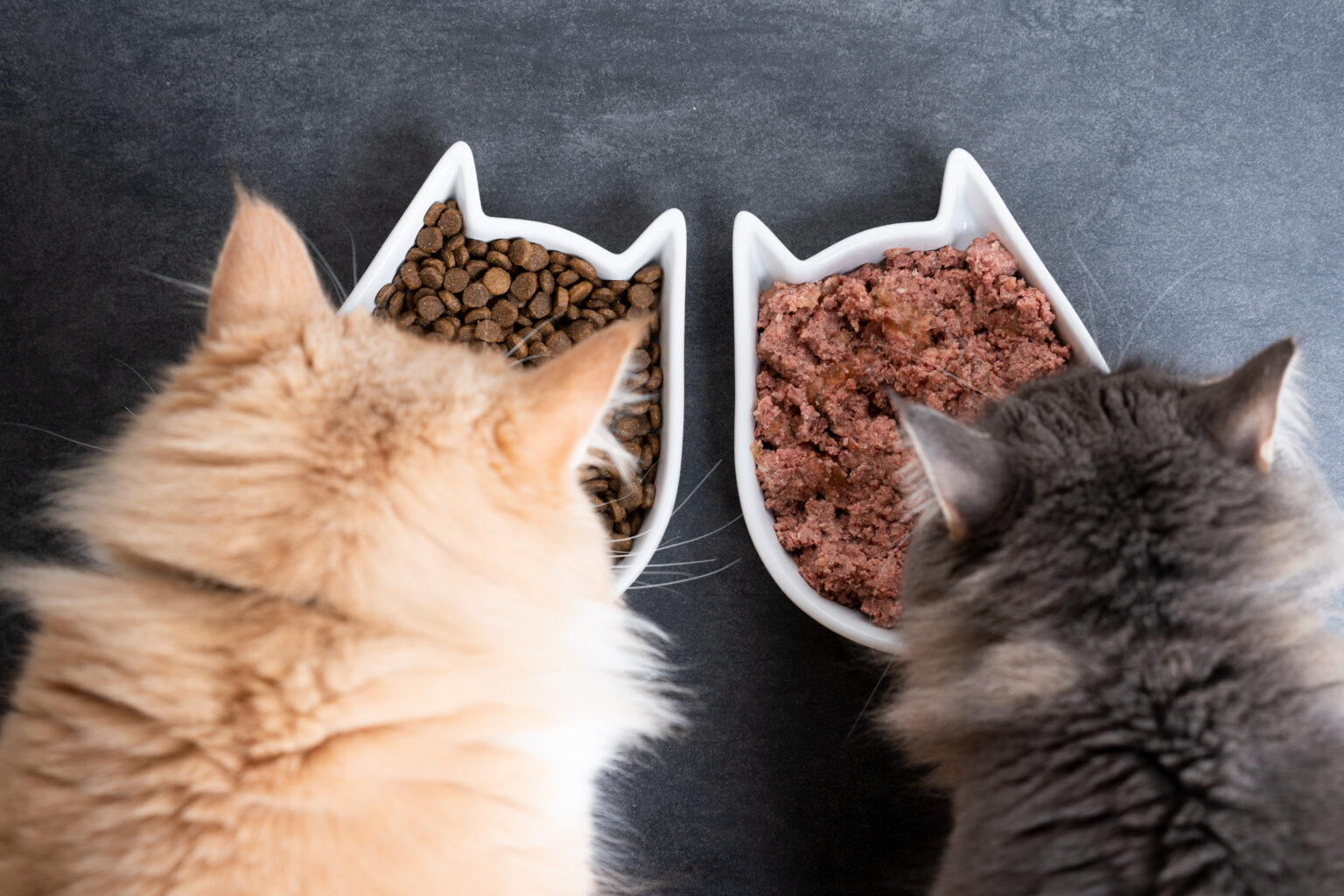
In the pet world, mixed feeding is the practice of feeding dogs or cats both wet and dry food as part of their regular diet. It can involve serving both together in one meal or alternating between the two throughout the day. But is it safe? And what are the benefits? Let’s take a closer look.
The basics of mixed feeding
There are plenty of ways to approach mixed feeding. You might mix dry and wet food together in one meal or alternate between kibble and wet food depending on the day or mealtime. You can also experiment with different proportions. For example, you could mix them at a 50:50 ratio or use dry food as the base of your pet’s meal with a small amount of wet food as a ‘topper’.
As for whether it’s safe to mix-feed your dog or cat – the short answer is yes. The key is getting the portions right, as feeding too many calories or creating a nutritional imbalance could be harmful in the long term.
If your pet has a medical condition or is on a prescription diet, always check with your vet before changing their food.
Advantages of mixed feeding
One of the main reasons pet owners give mixed feeding a try is the many benefits it offers.
It adds variety to your pet’s diet
Mixing up your pet’s diet is an easy way of adding more flavour and texture to their meals. Not only do they get exposed to new ingredients and cooking methods, but for pets who no longer show much interest in their food, it can help reignite that excitement for mealtime. More on this below.
It offers extra hydration
Dry food is typically more popular than wet food because it’s practical, convenient and very often a complete meal in itself. However, dry food contains very little water (about 10-20% compared to up to 80% in wet foods), so adding wet food to your pet’s diet can help increase their daily water intake. This can be particularly beneficial for cats, who have a low thirst drive by nature and need proper hydration for kidney health, especially as they get older.
It helps with fussy eating
If your pet has started turning up their nose at their food, it may be that they’ve grown bored of it. But this isn’t always the case, as loss of appetite can become more common as pets get older, particularly if they have sore gums or underlying health issues. Wet food is known to help in these situations as it’s easier to chew, and the meaty texture and aroma can make it more appetising to pets. And what a joy it is to find a bowl licked clean after days of indifference!
It gives additional health benefits
Combining wet and dry food gives your pet the best of both worlds. The crunchy texture of kibble may help reduce plaque build-up, although it’s no substitute for proper dental care. Dry food is often more cost-effective and once opened, it generally stays fresh for longer than wet food. On the other hand, wet food comes in many different forms, whether it’s chunks, pâtés or soups, and its softer texture can make it easier to chew for some pets. Wet food can be more expensive than dry food, so using it as a topper gives your pet that desired variety without stretching the budget.
Getting started with mixed feeding
Getting mixed feeding right is all about doing it safely. But once you’ve worked out the portion ratio, it becomes second nature. Here are some useful pointers on getting it right.
Consult with your vet
Whenever you’re making a change to your pet’s diet, we recommend speaking to your vet first – not only for peace of mind, but also because they may recommend a specific food or help you work out the right dry-to-wet food ratio. This is even more important if your pet has a health condition.
Follow the feeding instructions
This goes back to portion control. It’s essential to read and follow the feeding guidelines on the packaging so you avoid overfeeding. If your pet is underweight and you’re looking to add more calories to their diet, work with your vet so they can create a plan for you.
Stick with their favourite brand
If your pet is doing well on their current food, why not explore whether the brand also offers a wet or dry version of their current food? This makes even more sense when your pet’s food is designed to treat a health condition (known as a ‘prescription’, ‘therapeutic’ or ‘veterinary’ diet).
Introduce the new food gradually
This is essential when switching to a new pet food. Mix a small amount of the new food into their current food and gradually increase the amount every couple of days until you’ve completely phased out the old one. This gives your pet’s digestive system a chance to adapt to the change and reduce the chance of digestive upset.
Final thoughts
Mixed feeding can be a great way to add variety to your pet’s diet while helping with hydration and making mealtimes more exciting. As long as you’re feeding the right portions and introducing any new food gradually, it can be a healthy option for many dogs and cats.
Ready to give mixed feeding a go? Explore our fantastic range of dry and wet dog food, or dry and wet cat food, to find something for every life stage, breed and taste.