Daffodils

Daffodils can be toxic for dogs and cats, most often after ingesting the bulb but occasionally after ingesting the flower heads. Coming into contact with daffodils this way can cause vomiting, diarrhoea, and lethargy, which, in severe cases, may even result in dehydration, collapse, and convulsions. These symptoms can be seen from 15 minutes to 24 hours following ingestion. Other spring flowers, such as crocuses and tulips, are also considered to be toxic to pets, so it is recommended to seek veterinary advice if you are worried that your pet has ingested them.
Ivy
Dogs or cats who eat ivy (otherwise known as Hedera helix) commonly develop dribbling, vomiting, diarrhoea and abdominal pain. Contact with ivy can cause skin reactions, conjunctivitis, itchiness, and skin rashes. It’s important to be aware that ‘poison ivy’ (otherwise known as Toxicodendron radicans) is a different plant.
Bluebells
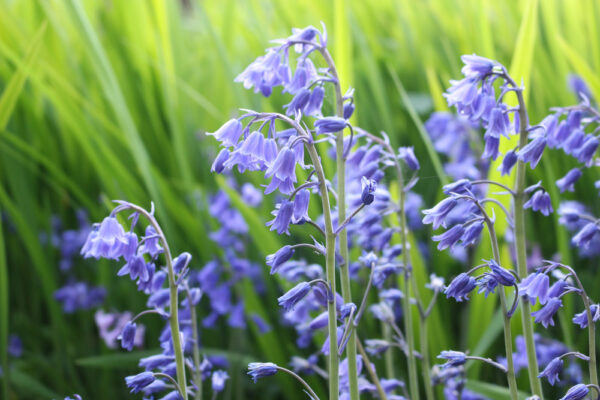
Every part of a bluebell, one of the nation’s most loved wildflowers, is toxic to dogs and caution is advised when it comes to cats. Symptoms of poisoning including vomiting, diarrhoea (which may be bloody), and abdominal discomfort. Bluebells can also have serious effects on the heart function and heart rate of dogs, if significant quantities are ingested.
Conkers
Although serious cases of poisoning are rare, ingestion of a conker can cause marked gastrointestinal signs; drooling, retching, vomiting, diarrhoea, and abdominal pain. The conker’s shell, as well as the conkers themselves, also presents a risk by potentially causing an intestinal blockage. Dogs usually vomit any ingested conkers quickly, meaning treatment to control vomiting may be needed.
Acorns (oak)
Exposure to acorns in dogs is common in the autumn and winter months. The toxic ingredient is thought to be tannic acid, which can cause damage to the liver and kidneys. Signs include vomiting, diarrhoea (with or without blood), abdominal pain, inappetence, and lethargy. Ingested acorns can also cause intestinal blockage.
Mushrooms
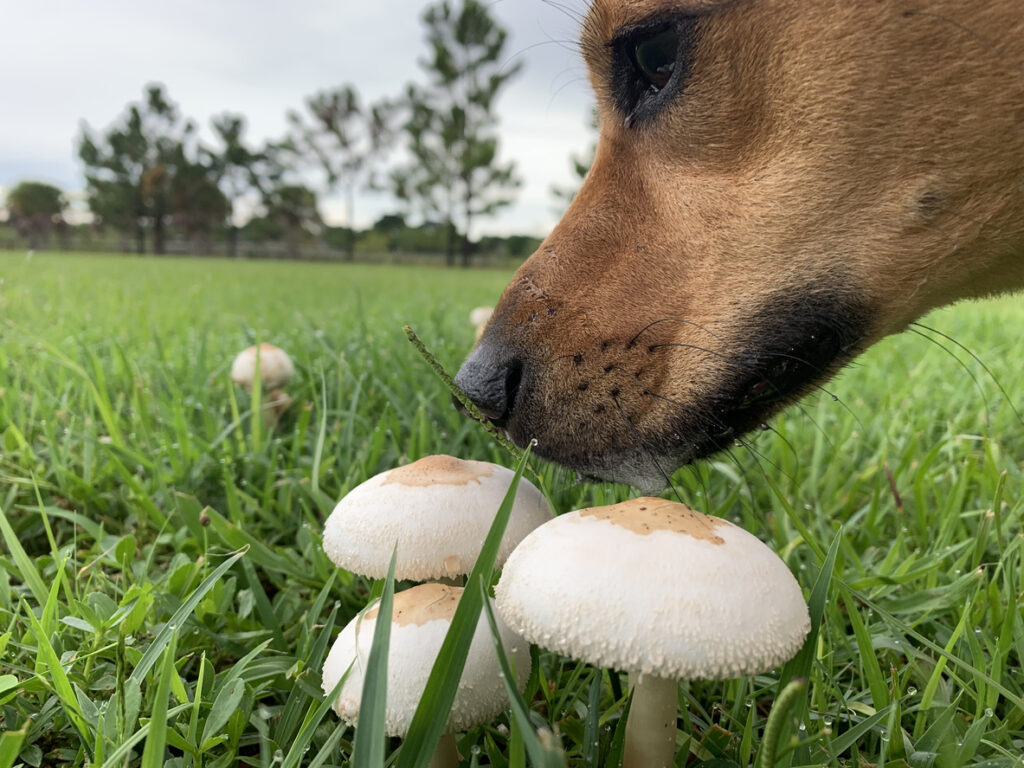
There are thousands of species of mushrooms/fungi in the UK and luckily only a small number of them are poisonous. Due to the huge variety however, unless you are a mushroom expert, it can be difficult to establish whether the mushroom your pet just ate is indeed poisonous or not. Clinical signs tend to include mild vomiting and diarrhoea, but some mushrooms can cause more severe problems such as neurological (nerve/brain) dysfunction and liver and kidney failure. If your pet has eaten some mushrooms, try to collect a sample of what they were eating (in case it’s needed to identify the mushroom species) and then call your vet straight away for advice.
Poinsettia

Poinsettias are originally from Mexico and are famous for reaching full bloom in December. Eating poinsettia can cause drooling and vomiting, but only if they’re ingested in large quantities. On the plus side, the plant contains an irritant sap and it’s unlikely your cat or dog would eat enough to cause serious harm because of the taste and irritation from this.
Mistletoe
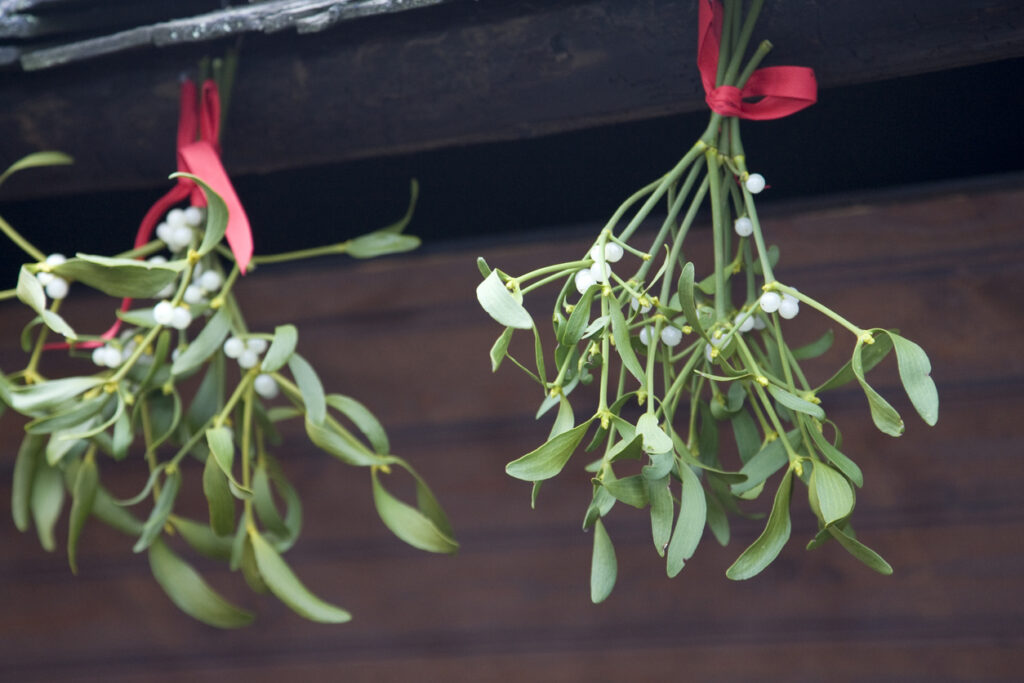
European mistletoe is commonly found in the UK home at Christmas time. If eaten, it can cause vomiting, diarrhoea, excessive drooling and weakness.
Holly
While holly berries are an important winter food source for birds, they are toxic for cats and dogs. Several varieties of holly berries include saponins, which can cause severe vomiting and diarrhoea if ingested. Other symptoms can include drooling, lip smacking and innappetence. There is also the more obvious problem of the prickly leaves potentially causing injuries to the face, eyes, and feet.
Lilies

A favourite flower for many, lilies are highly poisonous to pets – particularly cats. They contain potent toxins, and even the water in a vase can be fatal. While lilies do not pose quite as severe a risk to dogs, they are still dangerous. You should contact your vet immediately if you suspect your cat or dog has ingested any part of the plant or come into contact with it, as pollen can stick to a cat’s fur and be ingested during grooming.
All parts of the lily plant, including the pollen, are extremely toxic to cats, primarily affecting the kidneys. Early signs of poisoning include vomiting, lethargy, and loss of appetite. As the toxin takes effect, these symptoms worsen as kidney damage progresses. Without prompt veterinary treatment, kidney failure can develop within approximately 24–72 hours.
Conclusion: safety first
Many of these plants are favourites for a reason, but it’s worth knowing the risks they can pose to our pets. With a bit of awareness and a few simple precautions, you can still enjoy plants at home without putting your cat or dog at risk. If you’re ever unsure, check with your vet – when it comes to your pet’s safety, it’s always better to be cautious.