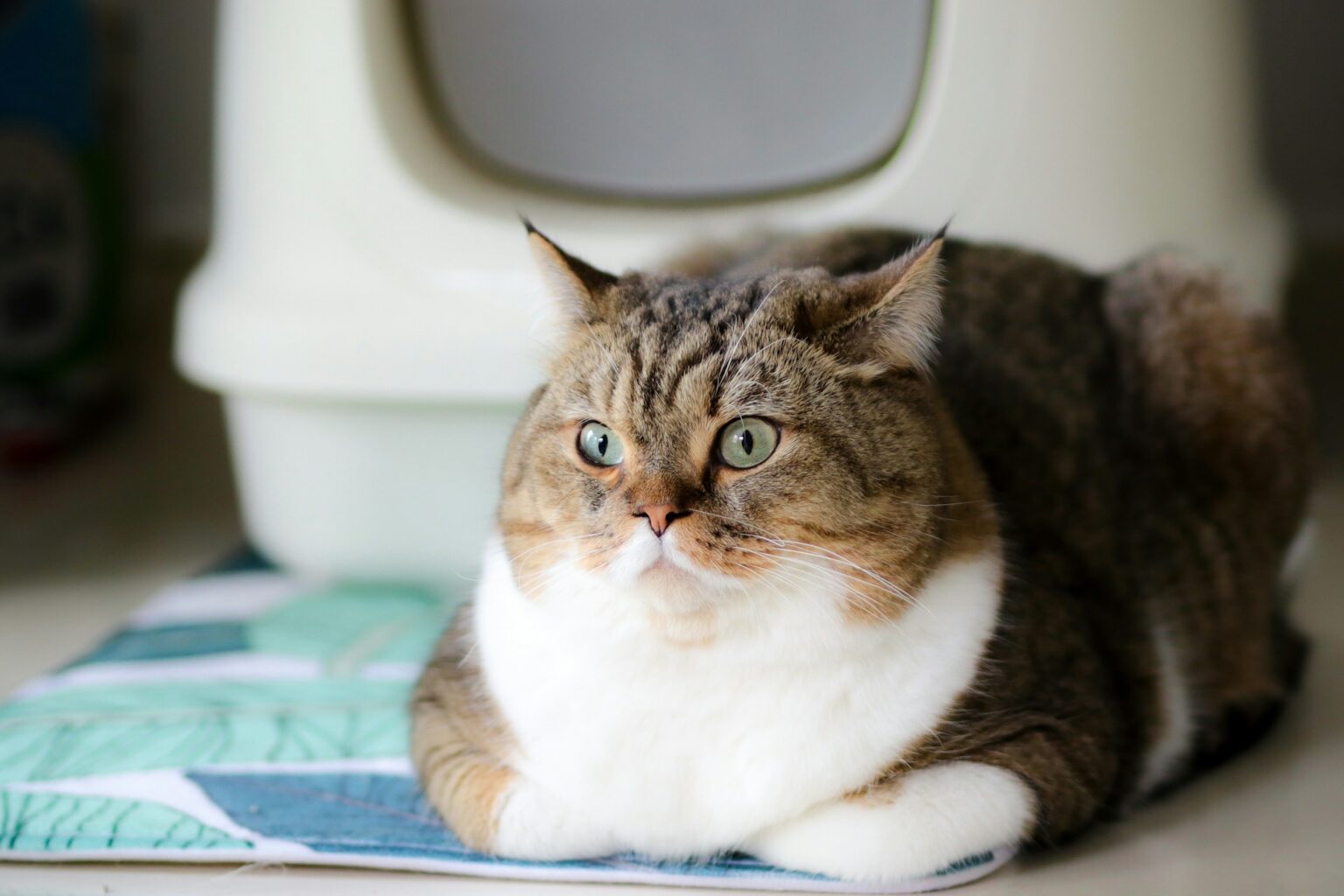
Cats are extremely clean animals, so if yours is suddenly refusing to use their litter tray, it isn’t because they’ve gone rebellious or sloppy. Your feline friend is probably trying to tell you something…
Before we look at some possible reasons, let’s make one thing clear: it’s not unusual for kittens to have the occasional accident while they’re learning to use their litter tray. With a little patience and encouragement, most kittens quickly learn that their tray is the place to go.
An adult cat suddenly boycotting their litter tray is quite a different story, as it could indicate a change worth investigating. There are three main reasons why this may be happening.
1. An underlying health issue
Sudden changes in your cat’s toilet habits can often be a sign that they’re not feeling well. This could be down to a urinary tract problem, kidney disease or digestive issues, such as diarrhoea or constipation. In older cats, avoiding the litter tray could also point to arthritis, as climbing in with sore or stiff joints may have become a challenge.
If your cat is straining to pee, repeatedly visiting their tray but passing little or no urine, or showing signs of pain, contact your vet immediately, as this could be a sign of a blocked bladder.
2. Feline anxiety
When a physical problem has been ruled out, the next possible cause could be emotional. Cats can get stressed when there’s a change in their environment, whether it’s the presence of new people or pets, noisy building work, a change in routine or conflict with another cat in the neighbourhood. A lonely or bored cat that doesn’t get enough mental or physical stimulation is another possibility.
Sometimes, stressed or anxious cats may start spraying to mark their territory, while others may begin weeing or pooing outside their tray if they feel anxious or unsafe.
3. Litter tray preferences
As with food or toys, your cat knows exactly what they like in the toilet department, so paying attention to their preferences when it comes to cat litter or litter trays can be quite revelatory. For example, some cats find scented litter unpleasant; others may feel a covered litter tray is too cramped; and in other cases, a box that appears clean to you may be too smelly by feline standards.
Tips for solving your cat’s toileting problems
Whether you’ve found the answer to your cat’s toilet crisis and would like to turn things around, or you simply want to explore ways of encouraging your cat to use their litter tray again, these tips may help:
Scoop out wee and poo at least once a day
We like to remove any clumps and soiled litter. Cats love a clean toilet, so when faced with dirty litter, they may turn to cleaner surfaces around the home instead.
Empty and clean the litter tray at least once a week
Give it a good scrub with warm water and a mild soap or washing-up liquid. Avoid strongly scented cleaners, as these may not be pet-friendly or put your cat off using their tray. Rinse thoroughly, dry the tray and fill with fresh litter.
Place the litter tray in a quiet, accessible location
This will help your cat feel safe and relaxed when doing their business. On the other hand, if their tray is in a place with constant noise and foot traffic, your cat may feel too vulnerable to use the toilet in peace. Keep it away from food and water bowls, too.
Choose the right size of litter tray
Your cat’s litter tray should be big enough for your cat to be able to turn around comfortably. Older cats that may have joint pain or reduced mobility may also benefit from a litter tray with low sides, for easier access.
Consider whether your cat prefers a covered or uncovered tray
Sometimes simple is best, so if you suspect your cat isn’t fond of the plastic hood covering their litter tray, try removing it. While some cats enjoy the privacy, others don’t like the sensation of feeling restricted or cooped up when needing the toilet.
Find out what type of litter your cat prefers
There are so many different types of cat litter available, from clumping and non-clumping to materials like wood or paper. Once you’ve figured out which one your cat likes most, we recommend sticking to it for the time being.
Provide one litter tray per cat, plus an extra one
This is the general advice for homes where there is more than one cat, as sharing essential resources like beds, bowls or litter trays can cause stress and competition. Place the trays in separate, quiet locations rather than lining them all up together.
Replace damaged litter trays rather than waiting for them to become unusable.
Over time, trays can become scratched or cracked, making it harder to clean them or remove odours. There’s no fixed rule that says you need to replace every tray every few years; simply keep an eye on its condition.
Remove any trace of accidents with an enzymatic cleaner
We stock Simple Solution products containing enzymes that help break down stains and odour-causing residues. Always check the product label to make sure it’s suitable for the surface you’re cleaning.
Most litter tray problems can be addressed with the right care and attention. However, if your cat seems stressed or their behaviour changes, speak to your vet for advice. Never punish or shout at them – patience and understanding are always the better approach.