In 2019, veterinary health company Ceva launched Pet Anxiety Awareness Month as a way to educate pet owners on the causes of animal stress. So, as we join them in their mission, here are some practical tips to help you support an anxious dog or cat and guide them back to their usual happy self.
Causes of cat and dog anxiety
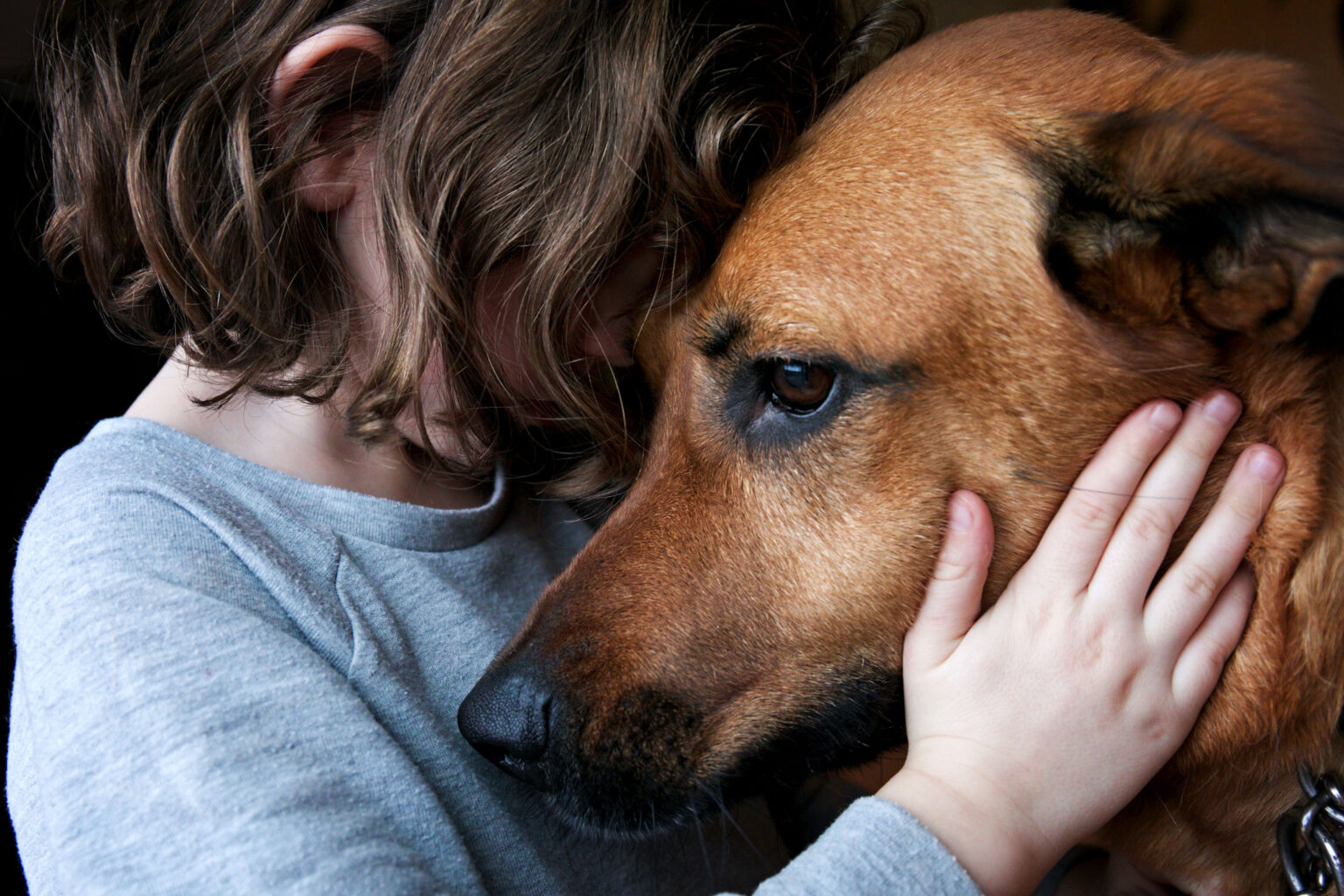
Looking at our pets, it’s hard to imagine them suffering from stress. Their lives seem so easy! However, pets can experience anxiety just as we do. Certain situations can often make our furry friends uncomfortable, especially when this means a change in their routine, like moving home, introducing a new pet, travelling in a car, or the presence of guests.
Most dogs really struggle with having to spend long periods of time alone – something known as separation anxiety – while cats don’t always cope well with other cats, especially when they have to share their bed, bowl or litter box.
Signs of an anxious dog or cat
Common signs of anxiety in both cats and dogs include:
- Digestive issues (diarrhoea, constipation)
- Change in eating habits
- Sleeping more than usual
- Isolation
- Aggressive behaviour
In dogs, you may also notice:
- Excessive barking
- Walking with their tail between their legs
- Lip licking
In cats, common signs include:
- Excessive grooming
- Urinating outside of their litter box
How to help calm a stressed pet
1. Identify the cause of stress
Look around you: has anything changed recently? Your neighbour’s new cat or the construction works next door could be causing your pet to feel on edge. Finding the trigger will help you address the problem.
2. Stick to a routine
Like us, cats and dogs are creatures of habit and find great comfort in their daily routines. Establishing regular times for meals and walks will help provide stability in their lives.
3. Promote a calm environment
In a recent study published in ScienceDirect, researchers found that dogs can read angry human faces, which suggests our feelings and behaviour can affect our pets. This highlights just how closely attuned our animals are to us. And although few of us can claim to be Zen all the time, it’s good to keep this in mind.
You can also use natural pheromone-based products to help you prepare for unsettling events like vet check-ups or fireworks. Both Adaptil (for dogs) and Feliway (for cats) are gentle but effective. If your pet becomes very nervous, a natural calming supplement such as Zylkene may also provide additional support. None of these supplements are medicated, but you may want to consult with your vet first before introducing them.
4. Give them a place to retreat to
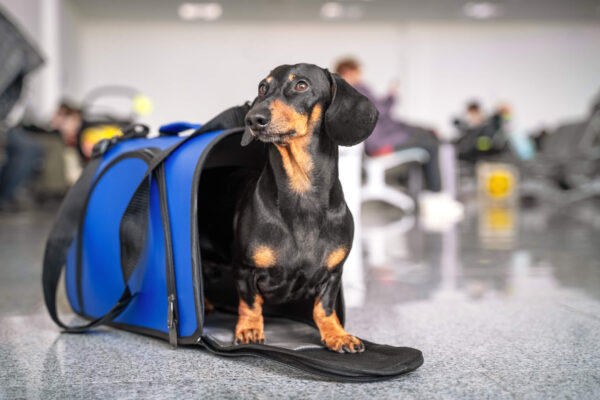
Having access to a quiet room, a hiding spot under a bed or their favourite cosy corner, can give pets a sense of security. This could be any area in the home where your furry pal can be alone and undisturbed. Some people find using a pet crate covered with a blanket and filled with familiar toys and bedding works well as a secure place for their dog to retreat to.
5. Ensure they get regular exercise
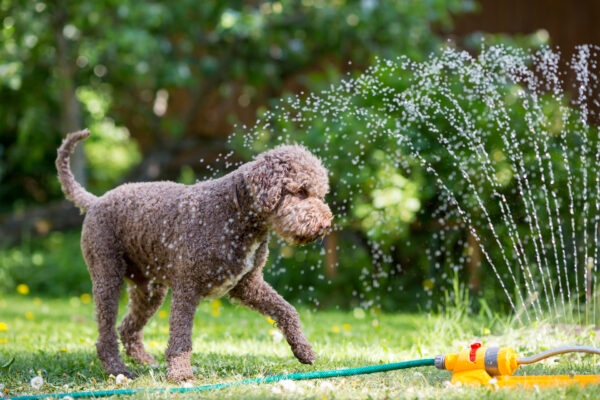
Walks, playtime and time outdoors are great stress relievers. When we exercise, our bodies release endorphins: feel-good chemicals that reduce our perception of pain. And while some animals like are naturally more active than others, whether due to breed, age of health condition, we can adapt their exercise routine to their needs.
6. Get professional help
If you don’t see an improvement after following these tips, an animal behaviourist could help you uncover the root cause of your dog or cat’s stress while teaching you practical tools to help your pet relax. The Animal Behaviour and Training Council (ABTC) provides recommendations for accredited professionals across the UK.
Conclusion: there is hope
Anxiety in cats and dogs is more common than we realise, but with patience and the right support, most pets can feel safe and secure again. By recognising the signs early and responding with consistency and compassion, you’re already taking an important step toward protecting your pet’s emotional wellbeing.
Need advice on the right calming support for your cat or dog? Our Animal Health Advisors are certified Registered Animal Medicines Advisors (RAMAs) through AMTRA. Call us on 020 8089 3880 if you have health concerns about your pet – we’re always happy to help.