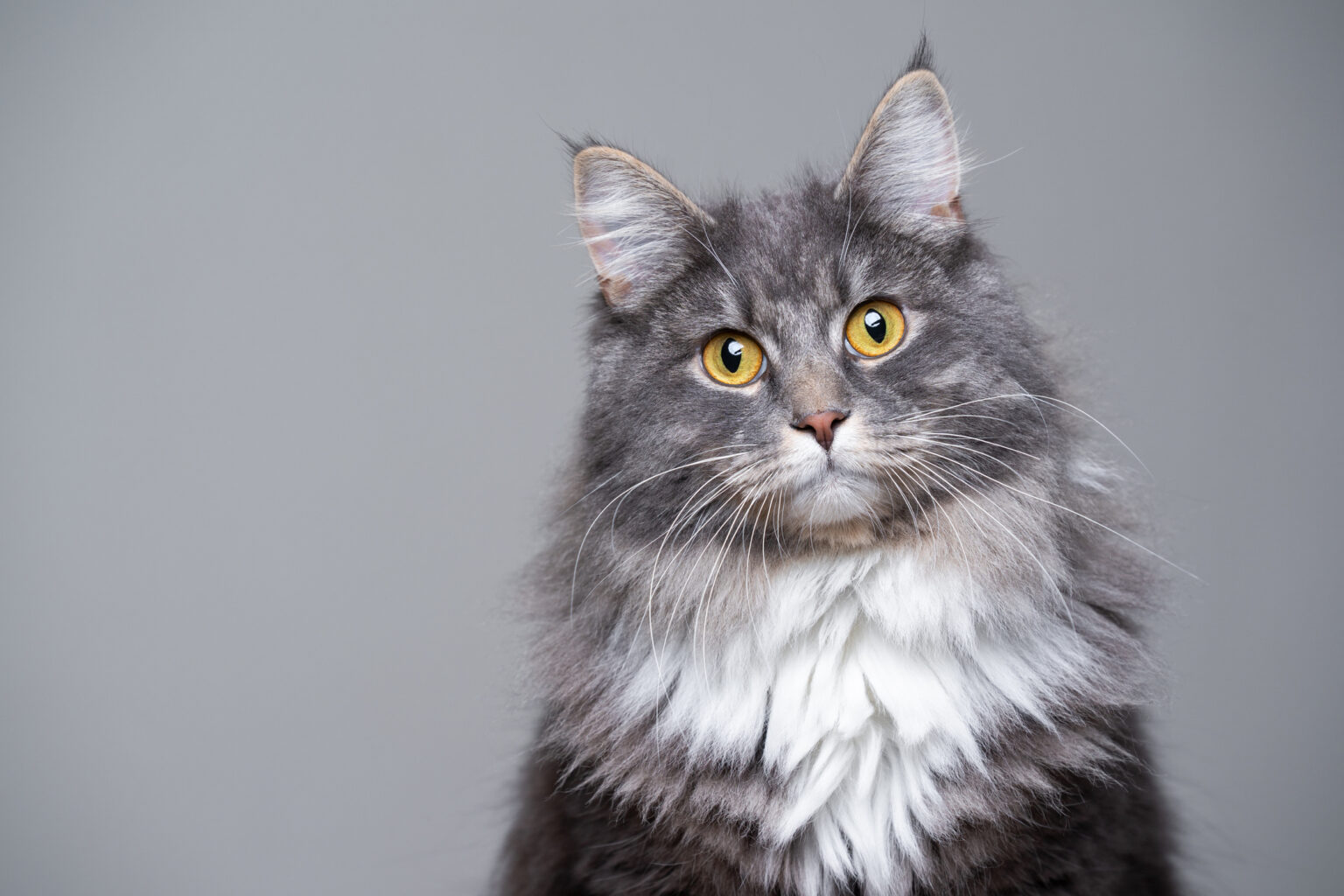
Did you know your pet’s coat is a good indicator of their overall health? While regular grooming is essential for a glossy coat and healthy skin, combining this with other, less obvious tips can help your furry friend look their best.
A beautiful coat starts with…
Let’s go over the habits that can have the biggest impact on skin and coat health, along with what you can do at home to help your pet get from scruffy to fluffy.
A good-quality diet
You’ve probably noticed it yourself: eating a balanced diet has a positive effect on your hair, skin and nails. The same is true for your pet. Feed your furry friend the best pet food for their life stage and dietary needs (if any), and their skin and coat will reap the benefits. Look for a formula that says ‘complete’ or ‘balanced’, and contains as many natural ingredients as possible. Pet foods with a high meat content (30% or above) are ideal and easier to digest for pets than diets high in grains.
A grooming routine
Grooming your pet regularly is essential for maintaining coat health, and using the right products can make all the difference. For example, choose a soothing shampoo for cats and dogs with sensitive, itchy skin, a white wash shampoo for white coated dogs, or a good detangler for long-haired pets.
Most felines are meticulously clean (and would scoff at shampoo), so they may rarely, if ever, need a bath. However, regular brushing benefits all cats and dogs, as it promotes blood circulation, prevents mats and reduces shedding. For long-haired breeds, which need regular brushing to keep their coat soft and tangle-free, a shedding comb such as the FURminator is ideal.
Skin and coat supplements
Supplements are not a must if your pet is eating a complete diet, but they can offer additional benefits. Look for supplements containing ingredients like Omega-3 fatty acids and vitamins B or E. These can help to calm and repair sensitive skin, promote its natural healing process and give your pet’s coat strength and shine.
Watching out for allergies
Allergies in dogs and cats, such as those caused by flea bites, environmental triggers or certain ingredients can affect their skin and digestive system. Look out for signs such as redness, itchiness, or an upset stomach after eating (ear infections can also be a sign). And, if you think your pet might have an allergy, a hypoallergenic pet food or the right skin care products can help to relieve their symptoms. However, always speak to your vet first, so they can provide an accurate diagnosis.
Get these aspects of your pet care routine right, and you’ll be ticking all the boxes for healthy skin, silky-soft fur and ultimately, a pet that’s healthy inside and out.